Red Cedar
More apocalypse, less angst
Makin’ music.
I started learning how to play the violin when I was just two and a half years old, my mother being a music teacher and all, not a minute of potential was going to pass me by. Consequently, the feel of a fiddle under my chin is second nature – even when I don’t pick it up for years – and reading music is a little bit like looking at another language which I know almost as well as my first.
But despite that (or perhaps because of it), I have had a push-pull relationship with playing music for most of my life. I quit lessons when I was fifteen, started busking at 20 (and paid my way through my first year of college), put my instrument away until I was 24 when I pulled it out again for a university breadth requirement. That course lead me to the Flying Folk Army, a band I established with six other people in 1998 and played with until about 2005. And now? Other than a few forays, I haven’t played at all in the past five years. Five years! That’s after a playing schedule that involved at least one practice and one gig per week for a long time – not to mention the 3 and 4 gig weeks during out busiest periods….. The music, it just slipped out of my life once the band eroded into other lives (we never did break up, we just stopped having time for one another as other things took over).
For the first couple of years I didn’t miss it, a band is a lot of work after all – and after awhile it had begun to feel more like work than I wanted it to. I had taken over gig scheduling and promotion and organizing rehearsals early on, and so I felt a bit burdened by the responsibility of making sure everything ran right in addition to just busting it out on stage. I needed a break from playing and at the time I hoped that the break would morph into some other musical project after I had recouped myself a little. But instead of seeking out other projects, I found myself loathe to look at my violin – preferring instead to sing along to my badly-played guitar which at least I had the excuse to suck at.
And that’s how it’s been, with the exception of some weddings and half-hearted jams. I haven’t wanted to play at all.
Sort of. I mean, I thought I didn’t want to play at all, but then it started that I would hear music recordings that sounded like they were made in a kitchen and I found myself turning them off because it hurt me to hear. Like I’m locked out of that kitchen music and I want back in so bad I could cry from it, and so instead I’ve found myself tuning it out. I stopped going to the gigs of friends for similar reasons, which I thought was a jealousy about being on stage, but recently have discovered that it’s something quite different I miss.
That realization came from a conversation among my old bandmates on Facebook, when afterwards I could hear a particular song echoing in my head all the way home on the bus. Titled “The Ukranian Song” on an old piece of sheet music (that can *not* be its actual name), it is comprised of a slow part and then a fast part (a really fast part) which I used to play in harmony with our accordionist to a backdrop of guitar shots and encouraging shouts by the rest of the band. I wish I had a recording of it handy – but for now you’ll have to put up with this description and believe me when I say it was the kind of song that drove crowds into wild dancing and hollering. Amazing. Anyhow, as I was thinking about all of this I realized that what I missed most of all – more than the creative connection, more than the stage, more than the crazy dancing fools – was the feeling of pure empowered joy that ran through me when I played those insanely speedy numbers. The strength of my fingers, the courage of my physical being to stand up there in front of others and challenge the strings and my fingers to keep up without breaking. That! That is an incredible feeling and I don’t know anything else like it.
It’s what I miss. The melodic to the frenetic, the angst driven into the strings, the blocking out of everything except getting the notes down in the right order, the muscle memory the retains the melody long after the mind has forgotten it. I can’t sing the damn song to this day, but I can still play it (albeit slowly at the moment) if I let my mind go and my body take over.
Remembering that, I feel a pain well up inside me, a trapped impulse to get back to that place of ability and joy, but I don’t want to dial it down anymore. I want to let it out! and as a result I have recently picked up my fiddle. In the living room, sheet music stacked on top of the piano, I hammer my fingers down in exercises designed to bring strength and dexterity back, regain the fine muscle control needed for such daring feats of sound. I swoop my bow out in stretches that reach all the way around my shoulderblades, into my lower back – and I pace with them, improvising on chords and scales, filling the wood up with vibrations in order to restore the sound to my underplayed instrument.
It’s painful at the moment, my mind moves faster than my fingers (it should be the other way round), I trip on the fast runs and my waltzes aren’t light enough. And it hurts! A half hour of playing and my arms are sore from the effort, my lower back doesn’t like the fact I’m sitting at the piano instead of standing and moving my body with the bow. But at the same time I’m reminded how second-nature my instrument is to me – I can pick it up and still play the ten songs embedded in my body, I can improvise on a theme without giving it too much thought. This makes it believable that I might make myself good enough to play with others again, sometime in the not too far future. Perhaps the Flying Folk Army reunion hang-out, perhaps a random jam, perhaps a solo or two at the labour cabaret next month?
I’m not sure if I’ll even keep it up, but answering this call right now seems essential as I seek more ways to incorporate creativity into my life. If ever I could refashion myself, it would be to work less and create more. More of what’s real. More meaning. More joy and beauty. More excitement and freedom of spirit!
My fiddle is just one way to do that. And I am finding my way back stroke, by stroke.
Meaning and death.
The Death of Ivan Ilych seems like the right book to start the new year off discussing – filled as it is with meaning of life questions – the main character discovering (almost) too late that the good things in life are not measured in accolades, incomes and titles. Like Camus’ The Stranger, I found Death an impeccably written novella – the plot inwardly rather than externally motivated and yet compelling all this same. This is some very fine writing.
For the plot in brief, see the Wikipedia entry here.
What is so fine about this work, written during a period when Tolstoy had all but given up fiction and was only putting forth spiritual tracts, is how perfectly the writer encapsulates the human antipathy towards death. That is, we all know that death happens for everyone, and yet in our lifetimes we distance ourselves from the prospect of our own death, realizing too late that in refusing to consider death as an actual event we have left our lives unexamined as well. And an unexamined life? Well that’s a life likely misspent in the pursuit of things that aren’t so important.
So this is the fate of Ivan Ilych, to lie in the loneliness of death and wonder why – what is it all for, the suffering, the fact of death, the waste of so much of life’s work to end up on a couch in terrible agony awaiting the end of the pain. And only in his son does he catch a glimpse of what he hasn’t understood for most of his mortal days – that life’s meaning is in much smaller things than he has imagined. But it is only a glimpse and Tolstoy doesn’t offer anything more to Ilych before he dies.
In his own life, Tolstoy shared Ivan’s struggle with bourgeois confinement, coming to the conclusion near the end of his life that the only path to finding the meaning of life was to shrug off family and home in an attempt to live his last days in search of peace. This choice was documented a couple years ago in the film The Last Station which pulls no punches about the resultant cruelty of that decision. And it begs the question in light of all the new age encouragement to “live true to oneself”, is it possible to do this and still be responsible to our commitments like marriage and family? Is it reasonable to encourage this in a society where cash is required for survival and a failure to make one’s economic way makes them eternally reliant on family and friends? In short – what is the balance between following a path closer to the heart’s desire, the path to our own personal meaning – while still remaining in connection with family and society? And if we do figure that balance out even a little – how do we go about changing our relationships and encouraging the same in those around us?
For Tolstoy and for Ilych, this question was not answered – nor do I hear the answer in any of the modern philosophic writings which tackles these questions. Tolstoy eschews his family only to die without his long-suffering (and melodramatic) wife by his side who ultimately he cried for in his final moments. Ilych doesn’t even have the chance to make any decision except to die and leave his family in peace.
The Death of Ivan Ilych was published in 1996 and Leo Tolstoy died in 1910. It is certainly arguable that the modern social human is even further from the path of meaning and connection than those of Tolstoy’s time – with generations growing up in front of screens and the cheap gratification of empty consumerism replacing real contact with nature and community. I often wonder about this, as someone who does search for meaning and connection, what it would feel like to get to the end of a life spent mainly working and watching television, doing the occasional shopping at the mall as a highlight. I mean, would you know any better? Wouldn’t it seem like a big waste to have spent so much time in the shopping mall? Because there are people living like this. Right now.
Until Ivan Ilych is on death’s door, he doesn’t even consider there is another way to live. He lives as his society tells him he should – striving for pay raises and greater titles – keeping his family at arm’s length without really seeing them as the individuals they are, but incorporating them as props. He is focused on acquisition generally, taking the most pleasure in outfitting a new home (this possibly linked to his death as he has an accident while redecorating – banging his side, which eventually gives him great pain suggesting some internal organ damage), and rising to anger over his need for pay raises to support the lifestyle he feels he deserves. It is apparent that Ilych doesn’t give a moment’s thought to pursuing some other kind of life, so full up he is with himself and his possessions.
But we don’t blame Ilych for his short-sightedness because Tolstoy demonstrates that this is all Ilych could know of life. His closest work peers notice his death for a moment before re-focusing themselves on who is going to be promoted into the vacant position, his wife is most concerned with how to get double the pension in the wake of his death; here is Tolstoy’s condemnation – not for the individual man Ivan Ilych, but for his society as a whole. Rather than assisting each other in the pursuit of meaning, we (society) prop up each other’s delusions and empty pursuits. And thus Ilych is better off in his realization before death than the others are in the empty lives they continue on after the story ends.
Ivan Ilych echoes many tragic protaganists, but mostly I was reminded of the Book of Job in his lament – prevailing upon God for the meaning behind his suffering, questioning existence if it is to come to nothing in the end. But unlike Job, Ivan does not universalize his suffering, nor are the false friends around him shown their errors through his example.
As we head into 2012, Ivan Ilych is worth thinking about, both on a personal and a global level. What kind of life is meaningful and how do we get their? What is our suffering for if we have no impact? How do we balance personal growth with social responsibility? Is it possible to live differently not only as individuals but in community with one another. I don’t want to get to the end of my days and wonder what it was for, which is what I suspect happens to those who remain disconnected with real life. Because the days slip away quicker than we think, and it’s up to us to make the meaning in them.
Design Notebook: Picnic Quilt

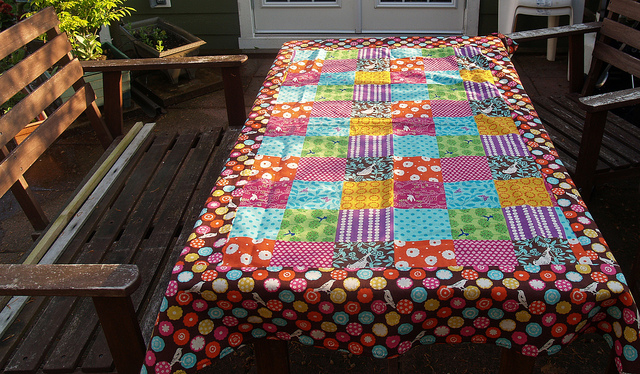
Some time ago I picked up a yard-and-a-half of vintagey plastic tablecloth material (you know the kind – vinyl on one side, batting-ish cloth on the backside). I had no idea what exactly I wanted to do with it, so it’s been hanging around the sewing room for a few months on a roll. Recently I picked up a set of pre-cut quilt squares in the same colour family – and realized that the combination would make the best picnic quilt. Waterproof on one side, soft fabric on the other! Today I laid the printed squares out in haphazard fashion and determined that I’ve got enough room to lay some cotton muslin strips in between the rows – about 26 inches worth of room if I want to use the whole piece of vinyl (which only makes sense because what am I going to do with leftover of this stuff?). Basically this means I need a yard of 54 inch wide muslin and 2 yards of 54 inch wide quilt batting in order to finish this project. In the meantime I’m going to figure out what order I want the printed squares in.
I’ll probably add rock pockets to the corners on the backside for holding things down…. a little more muslin for that and I’m not planning on binding this (hemming from the wrong side and then flipping it forward which also means I won’t be quilting the vinyl side either) which helps ease the amount of fabric in finishing. I’m hoping this will be a fairly straightforward project to get started on this week.
Making in 2011.
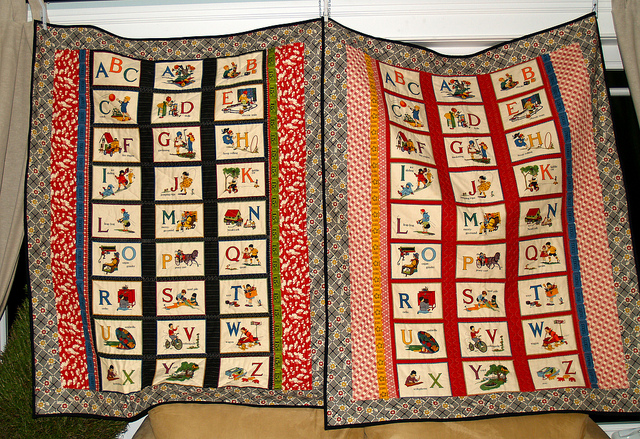
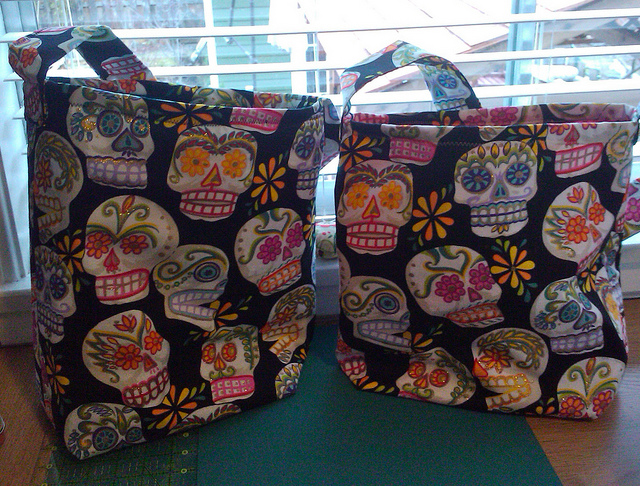
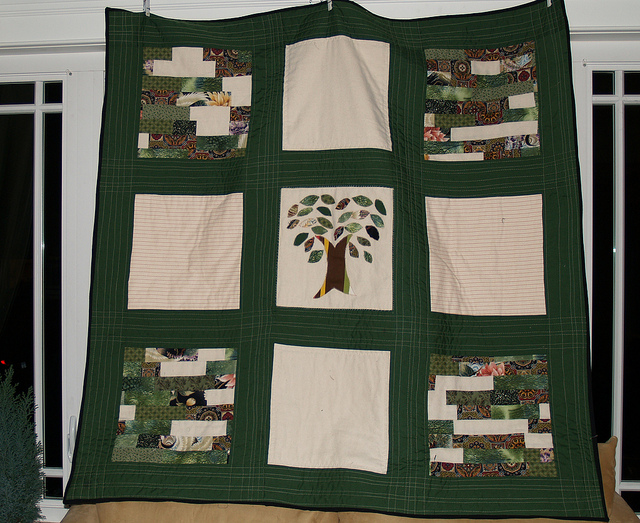
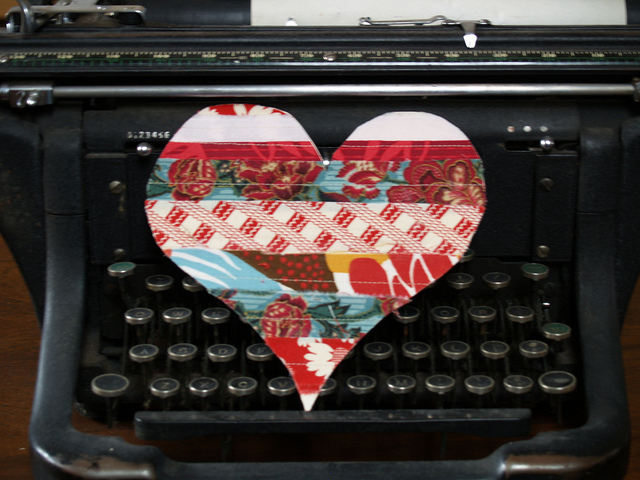
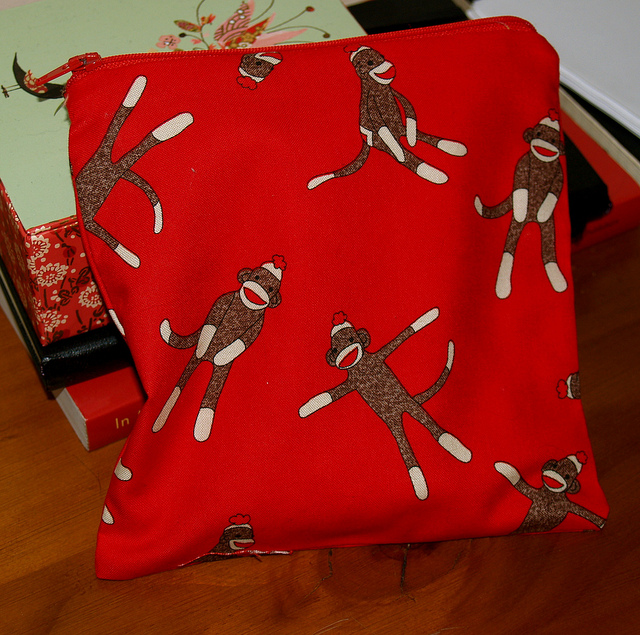
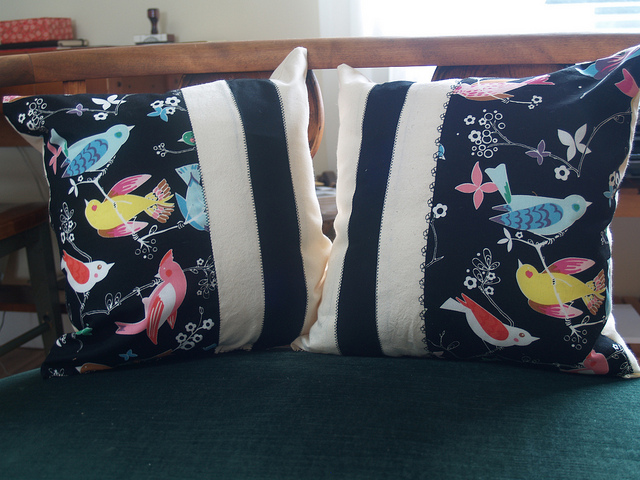
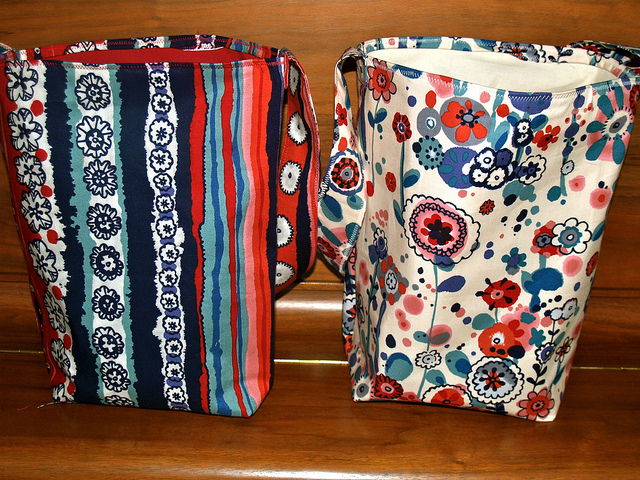
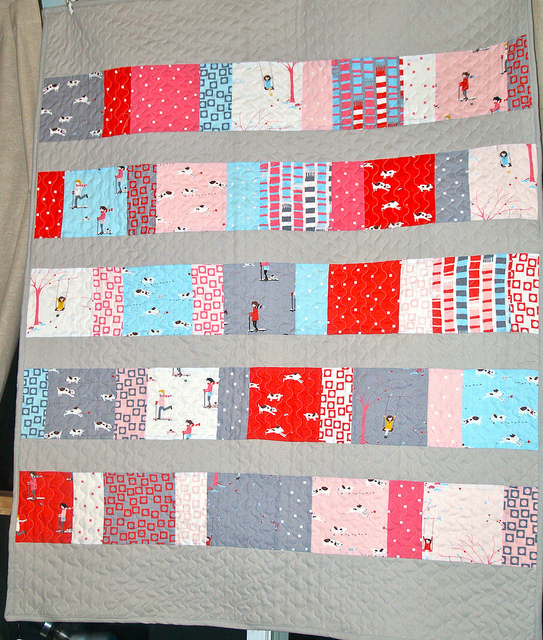
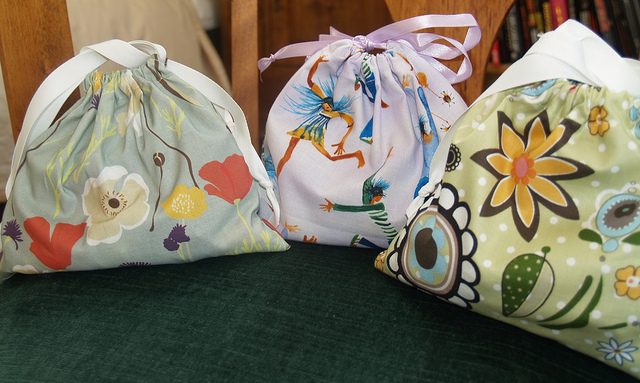
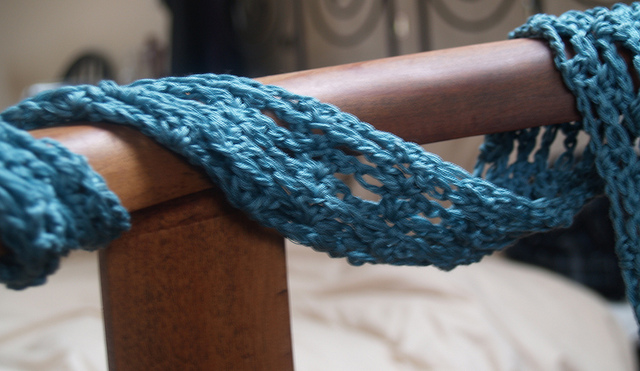
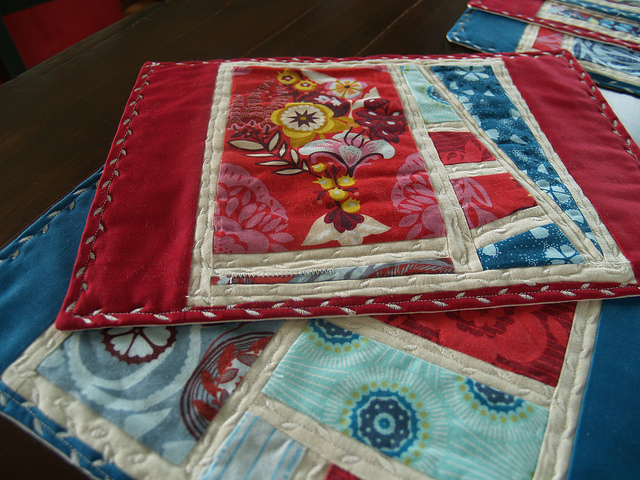
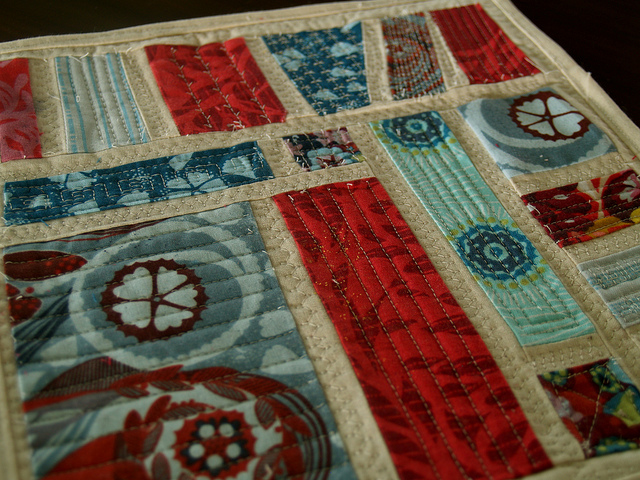
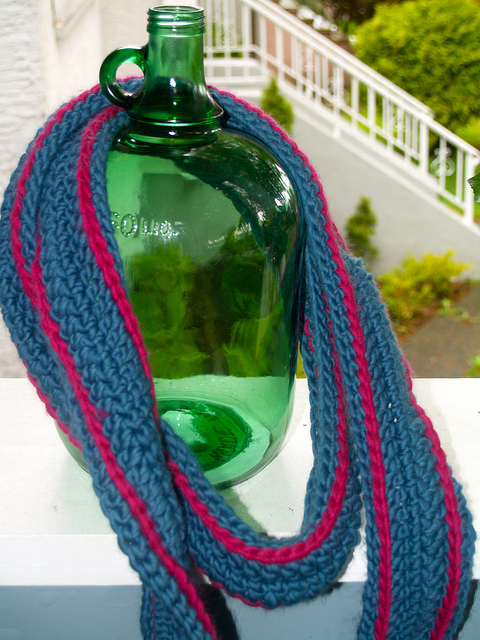
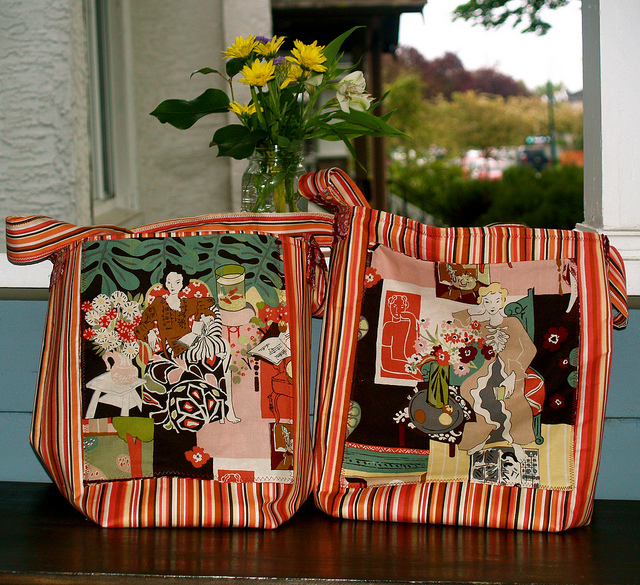
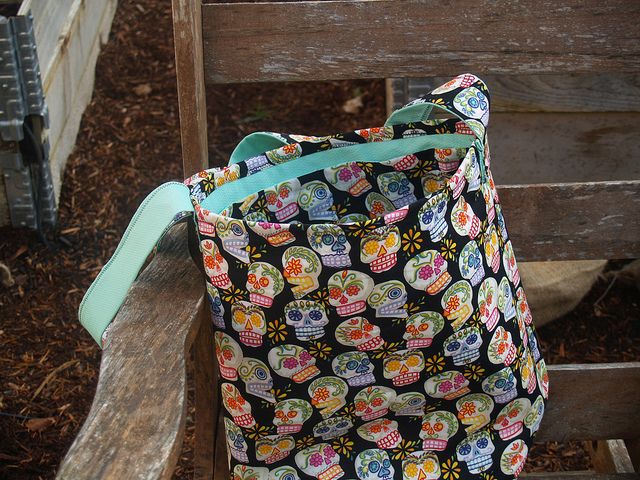
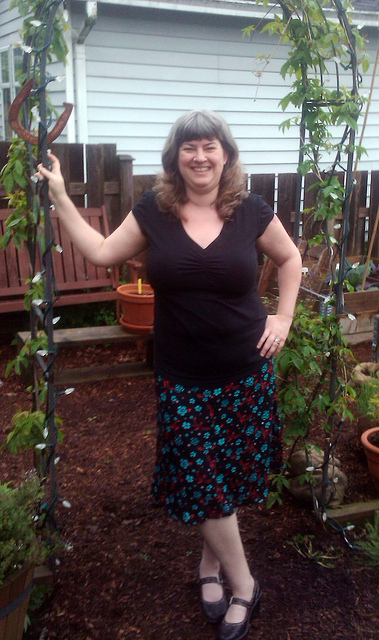
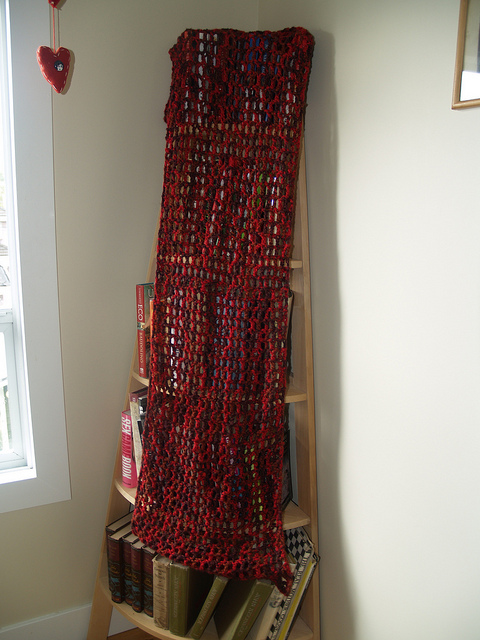
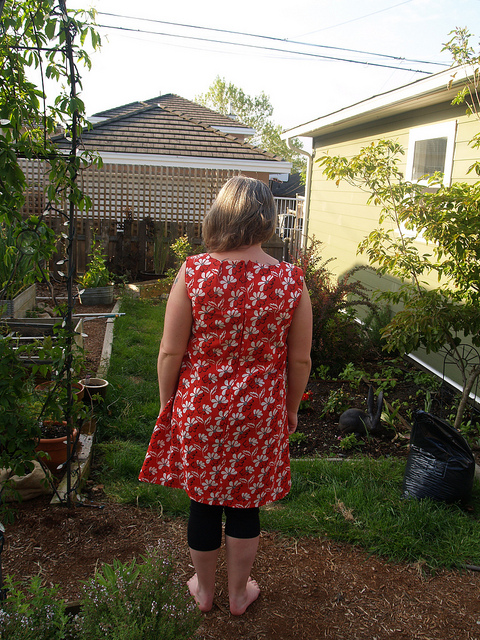
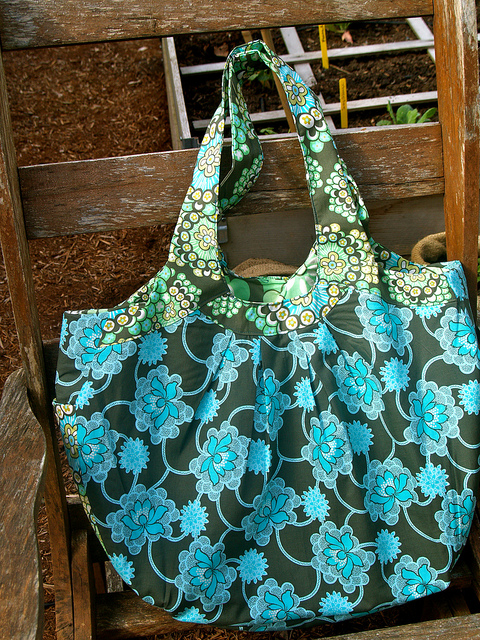
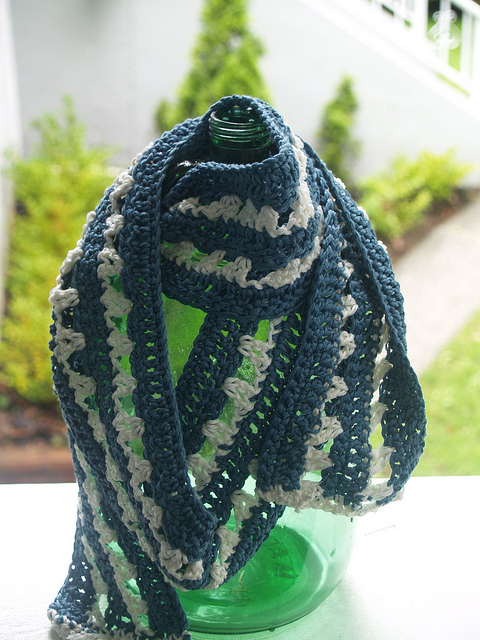
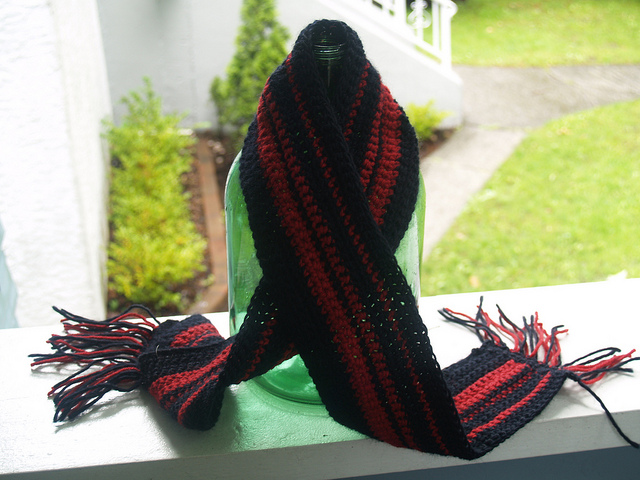
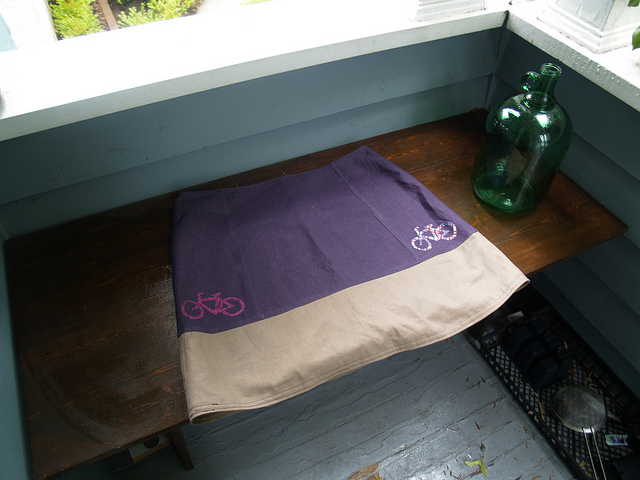
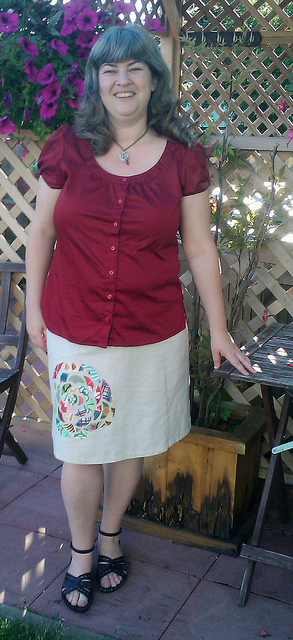
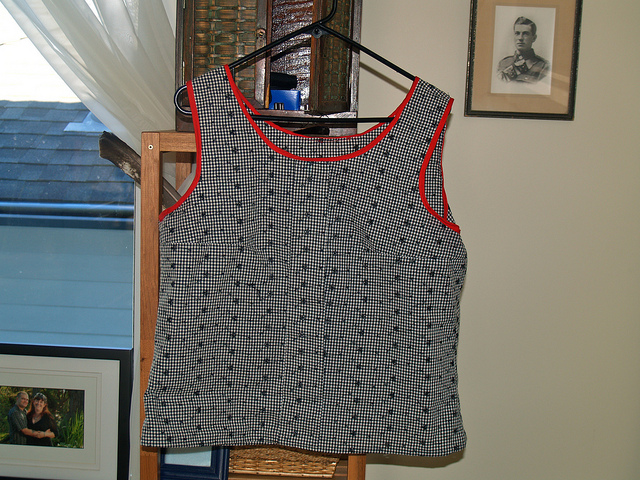
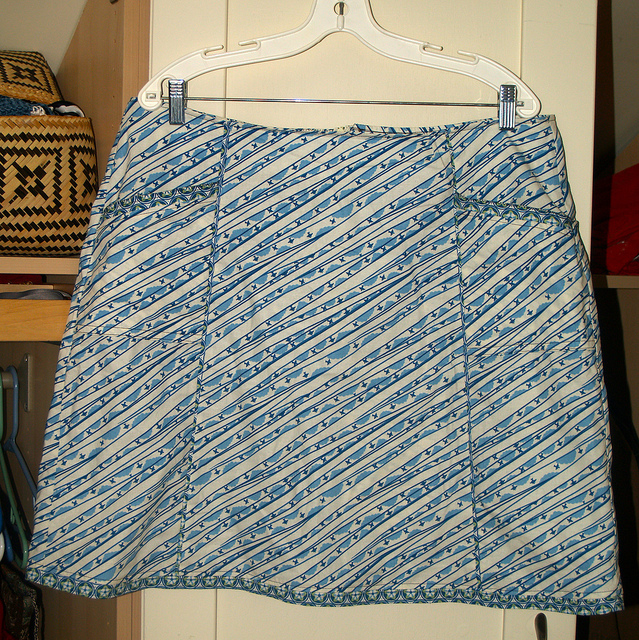
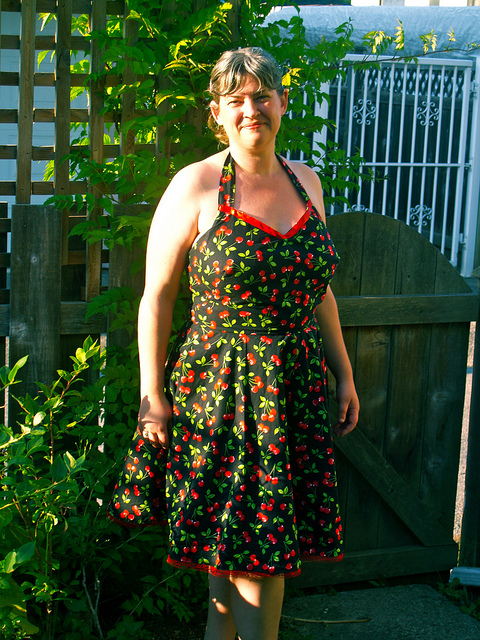
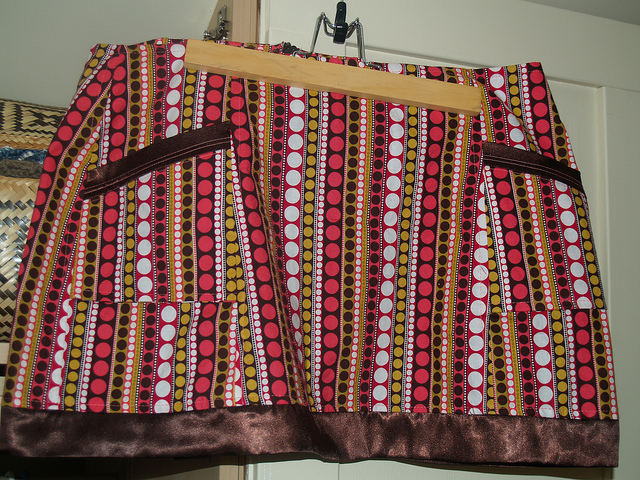
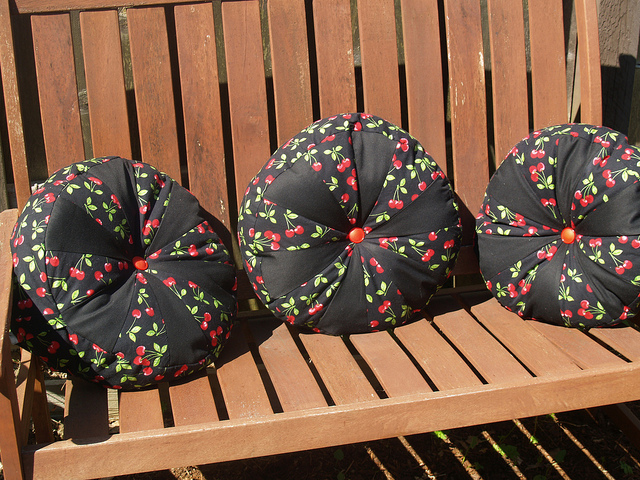
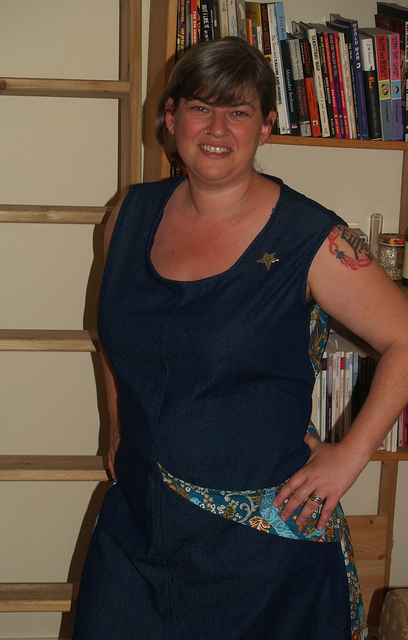
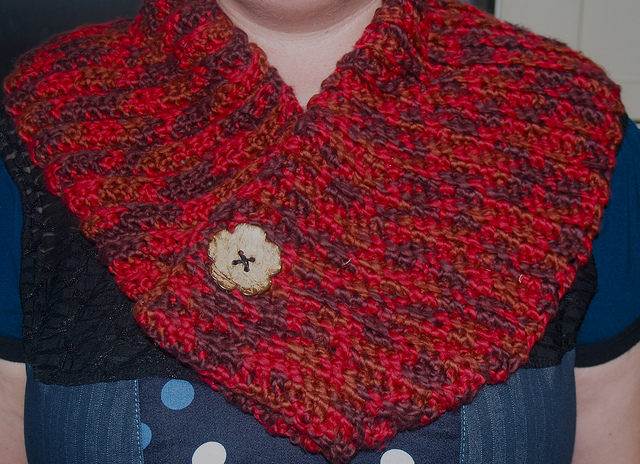
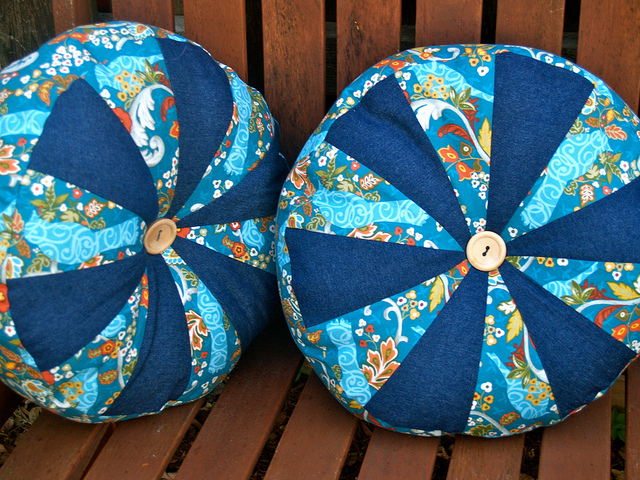
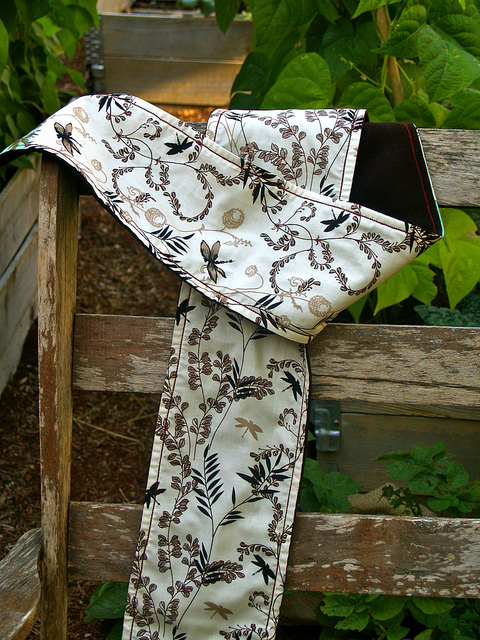
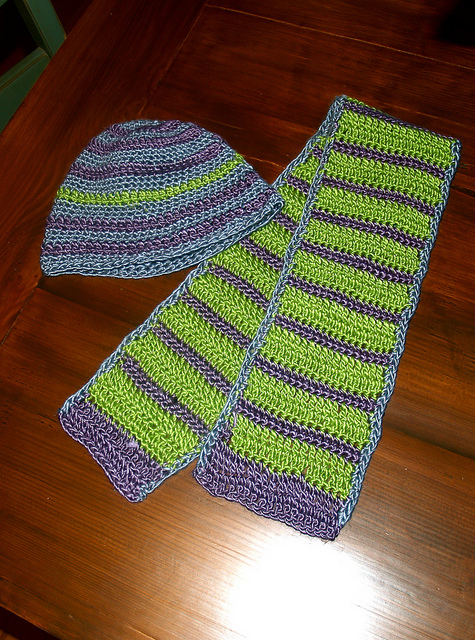
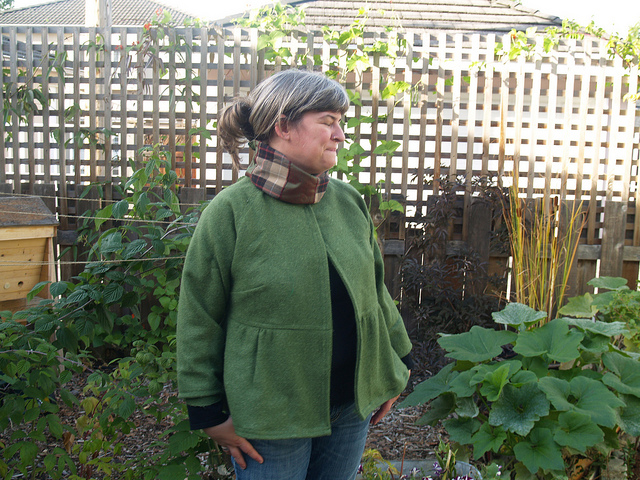
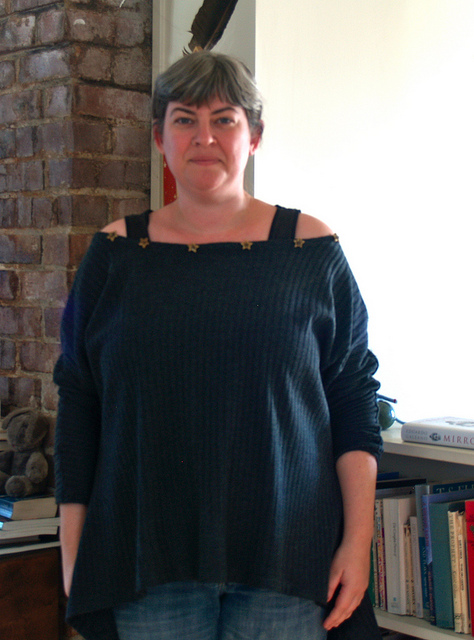
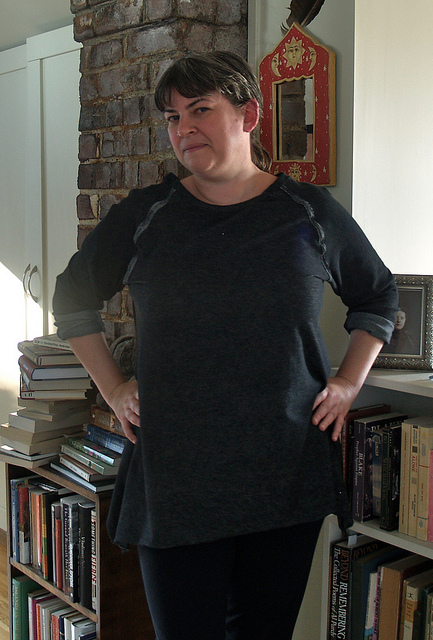
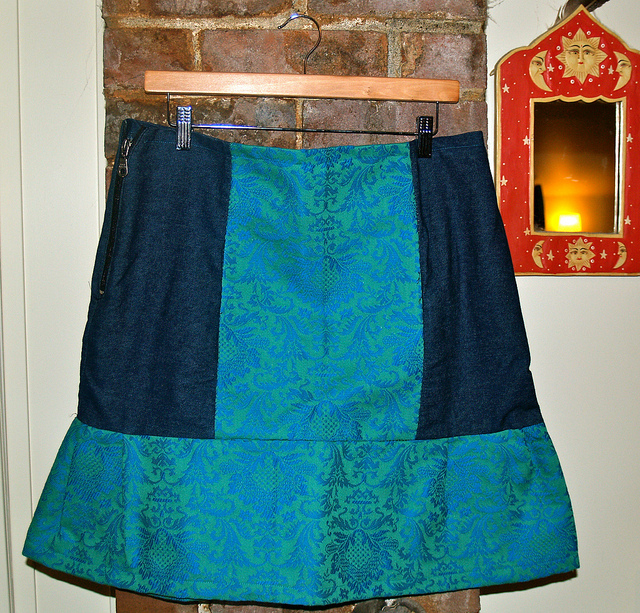
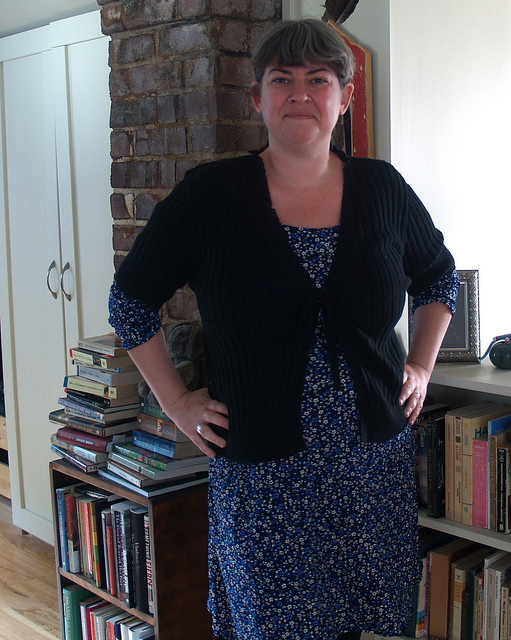
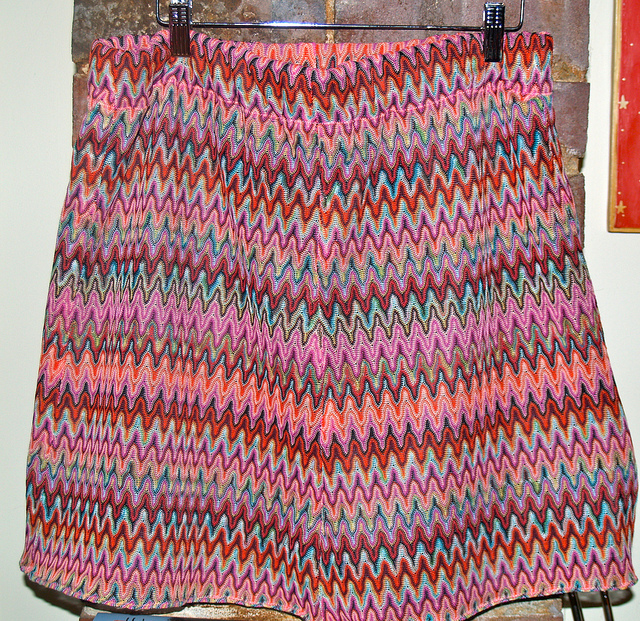
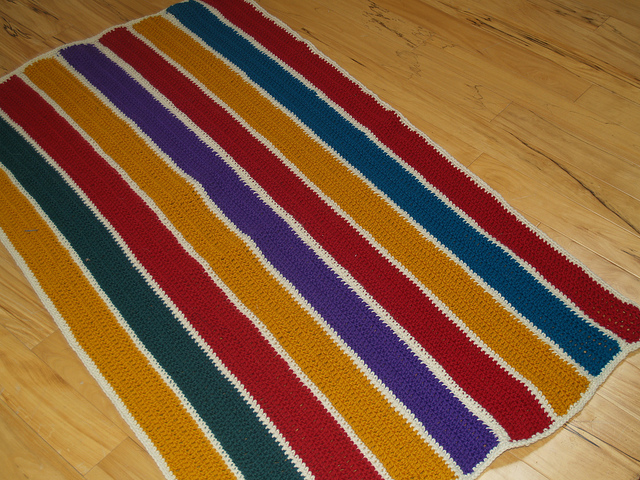
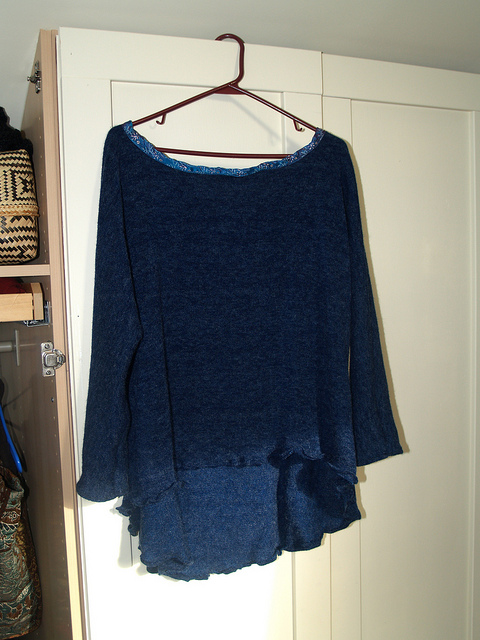
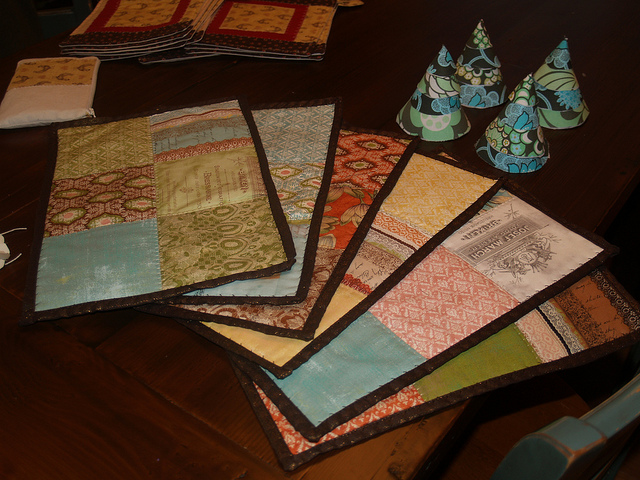
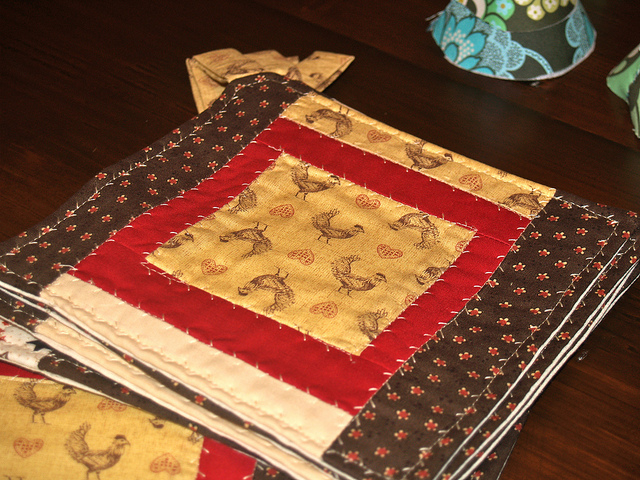
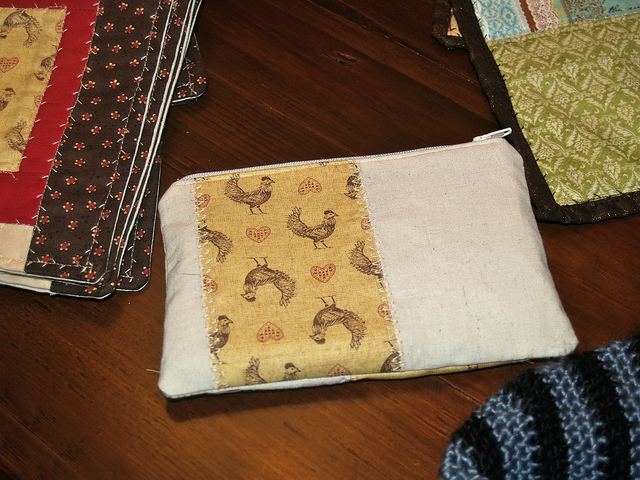
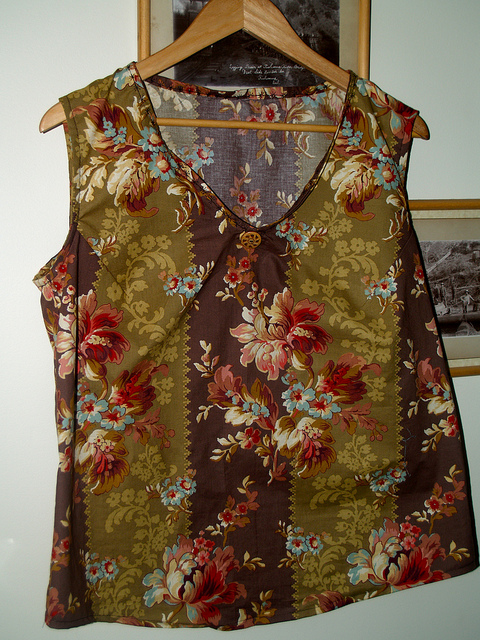
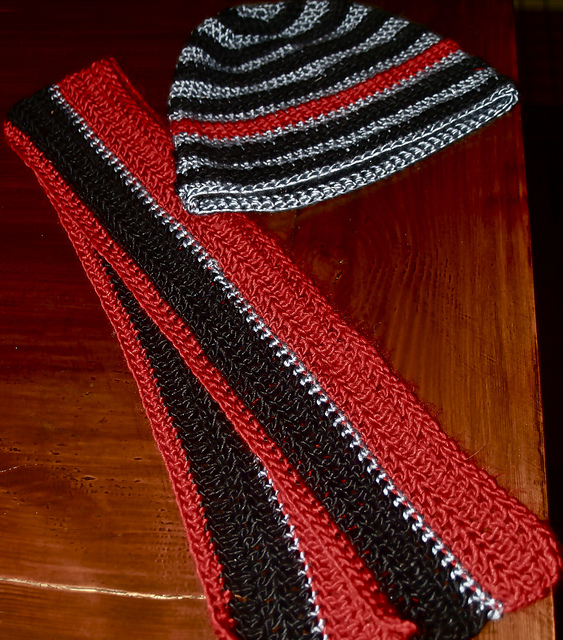
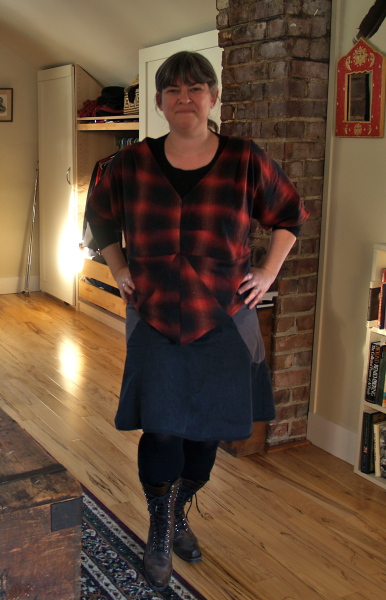
Because 2011 was such an oddly productive year creatively – I wanted to gather all the things I’ve made in one place just to look at them all and admire my industry (not my handiwork, that’s a little lacking – but man I’ve been industrious!) Gathered into one place it turns out that I made at least 48 fabric or crochet items in 2011 – nearly one a week….. which of course necessitates a new goal for 2012… to actually do one creative project/item per week (at least).
My textile goals for 2012 include completing at least one crochet sweater, improving my dressmaking skills – in particular finishing techniques and lining – and incorporating more fabric off my printer into craft items like bags. I’m pretty excited about making more stuff in 2012 since this last year turned out to be so productive. Not only did I learn an incredible amount (sewing clothes and crochet are both new to me since April), but I have tapped into some lovely and inspiring online communities of DIY women making fab things. So without further ado – here is the 2011 Gallery of Making……
Resolve.
It’s the end of the year and am I ever exhausted! So much so that tonight is looking like a big ole relax at home rather than any NYE festivities. I’ve been thinking a lot about the past year and have come to the conclusion that while it’s been pretty good for our household, it’s all around been a difficult year for many people we know, and really for all of Canada (what with the crappy elections and all).
In the spirit of all this reflection I’m thinking about what kind of resolutions can make my next year better than this past one.
So for starters I resolve that:
- I am not taking on any new projects, positions, or grants in 2012. I’m busy enough already and I want to make more room for my interests.
- I will play music for a minimum of two hours per week. Hopefully more.
- I will get 30 minutes of outside time per day, even if the weather is crummy. Studies show that this amount of outside exposure is a key to being happy.
- I will either go to the gym or otherwise do something physical four times per week.
- I will keep investing lots of time in my home, my relationship and my friends – the things which bring me the most satisfaction in my life.
I could go on of course, living a decent life being the continual project that it is, but I’m going to stop with these mostly very specific things because I believe they are do-able and each of them bring even more goodness to an already good life.
Happy New Year to all of you. Here’s to a 2012 full of light and all the things that make your lives the best they can be!
xox Red Cedar


 Red Cedar