Red Cedar
More apocalypse, less angst
Meaning and death.
The Death of Ivan Ilych seems like the right book to start the new year off discussing – filled as it is with meaning of life questions – the main character discovering (almost) too late that the good things in life are not measured in accolades, incomes and titles. Like Camus’ The Stranger, I found Death an impeccably written novella – the plot inwardly rather than externally motivated and yet compelling all this same. This is some very fine writing.
For the plot in brief, see the Wikipedia entry here.
What is so fine about this work, written during a period when Tolstoy had all but given up fiction and was only putting forth spiritual tracts, is how perfectly the writer encapsulates the human antipathy towards death. That is, we all know that death happens for everyone, and yet in our lifetimes we distance ourselves from the prospect of our own death, realizing too late that in refusing to consider death as an actual event we have left our lives unexamined as well. And an unexamined life? Well that’s a life likely misspent in the pursuit of things that aren’t so important.
So this is the fate of Ivan Ilych, to lie in the loneliness of death and wonder why – what is it all for, the suffering, the fact of death, the waste of so much of life’s work to end up on a couch in terrible agony awaiting the end of the pain. And only in his son does he catch a glimpse of what he hasn’t understood for most of his mortal days – that life’s meaning is in much smaller things than he has imagined. But it is only a glimpse and Tolstoy doesn’t offer anything more to Ilych before he dies.
In his own life, Tolstoy shared Ivan’s struggle with bourgeois confinement, coming to the conclusion near the end of his life that the only path to finding the meaning of life was to shrug off family and home in an attempt to live his last days in search of peace. This choice was documented a couple years ago in the film The Last Station which pulls no punches about the resultant cruelty of that decision. And it begs the question in light of all the new age encouragement to “live true to oneself”, is it possible to do this and still be responsible to our commitments like marriage and family? Is it reasonable to encourage this in a society where cash is required for survival and a failure to make one’s economic way makes them eternally reliant on family and friends? In short – what is the balance between following a path closer to the heart’s desire, the path to our own personal meaning – while still remaining in connection with family and society? And if we do figure that balance out even a little – how do we go about changing our relationships and encouraging the same in those around us?
For Tolstoy and for Ilych, this question was not answered – nor do I hear the answer in any of the modern philosophic writings which tackles these questions. Tolstoy eschews his family only to die without his long-suffering (and melodramatic) wife by his side who ultimately he cried for in his final moments. Ilych doesn’t even have the chance to make any decision except to die and leave his family in peace.
The Death of Ivan Ilych was published in 1996 and Leo Tolstoy died in 1910. It is certainly arguable that the modern social human is even further from the path of meaning and connection than those of Tolstoy’s time – with generations growing up in front of screens and the cheap gratification of empty consumerism replacing real contact with nature and community. I often wonder about this, as someone who does search for meaning and connection, what it would feel like to get to the end of a life spent mainly working and watching television, doing the occasional shopping at the mall as a highlight. I mean, would you know any better? Wouldn’t it seem like a big waste to have spent so much time in the shopping mall? Because there are people living like this. Right now.
Until Ivan Ilych is on death’s door, he doesn’t even consider there is another way to live. He lives as his society tells him he should – striving for pay raises and greater titles – keeping his family at arm’s length without really seeing them as the individuals they are, but incorporating them as props. He is focused on acquisition generally, taking the most pleasure in outfitting a new home (this possibly linked to his death as he has an accident while redecorating – banging his side, which eventually gives him great pain suggesting some internal organ damage), and rising to anger over his need for pay raises to support the lifestyle he feels he deserves. It is apparent that Ilych doesn’t give a moment’s thought to pursuing some other kind of life, so full up he is with himself and his possessions.
But we don’t blame Ilych for his short-sightedness because Tolstoy demonstrates that this is all Ilych could know of life. His closest work peers notice his death for a moment before re-focusing themselves on who is going to be promoted into the vacant position, his wife is most concerned with how to get double the pension in the wake of his death; here is Tolstoy’s condemnation – not for the individual man Ivan Ilych, but for his society as a whole. Rather than assisting each other in the pursuit of meaning, we (society) prop up each other’s delusions and empty pursuits. And thus Ilych is better off in his realization before death than the others are in the empty lives they continue on after the story ends.
Ivan Ilych echoes many tragic protaganists, but mostly I was reminded of the Book of Job in his lament – prevailing upon God for the meaning behind his suffering, questioning existence if it is to come to nothing in the end. But unlike Job, Ivan does not universalize his suffering, nor are the false friends around him shown their errors through his example.
As we head into 2012, Ivan Ilych is worth thinking about, both on a personal and a global level. What kind of life is meaningful and how do we get their? What is our suffering for if we have no impact? How do we balance personal growth with social responsibility? Is it possible to live differently not only as individuals but in community with one another. I don’t want to get to the end of my days and wonder what it was for, which is what I suspect happens to those who remain disconnected with real life. Because the days slip away quicker than we think, and it’s up to us to make the meaning in them.
Design Notebook: Picnic Quilt

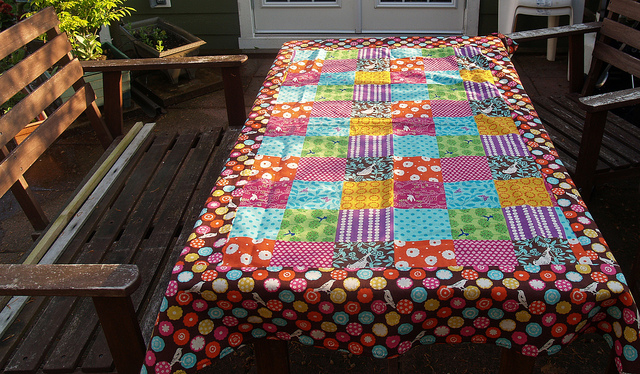
Some time ago I picked up a yard-and-a-half of vintagey plastic tablecloth material (you know the kind – vinyl on one side, batting-ish cloth on the backside). I had no idea what exactly I wanted to do with it, so it’s been hanging around the sewing room for a few months on a roll. Recently I picked up a set of pre-cut quilt squares in the same colour family – and realized that the combination would make the best picnic quilt. Waterproof on one side, soft fabric on the other! Today I laid the printed squares out in haphazard fashion and determined that I’ve got enough room to lay some cotton muslin strips in between the rows – about 26 inches worth of room if I want to use the whole piece of vinyl (which only makes sense because what am I going to do with leftover of this stuff?). Basically this means I need a yard of 54 inch wide muslin and 2 yards of 54 inch wide quilt batting in order to finish this project. In the meantime I’m going to figure out what order I want the printed squares in.
I’ll probably add rock pockets to the corners on the backside for holding things down…. a little more muslin for that and I’m not planning on binding this (hemming from the wrong side and then flipping it forward which also means I won’t be quilting the vinyl side either) which helps ease the amount of fabric in finishing. I’m hoping this will be a fairly straightforward project to get started on this week.
Making in 2011.
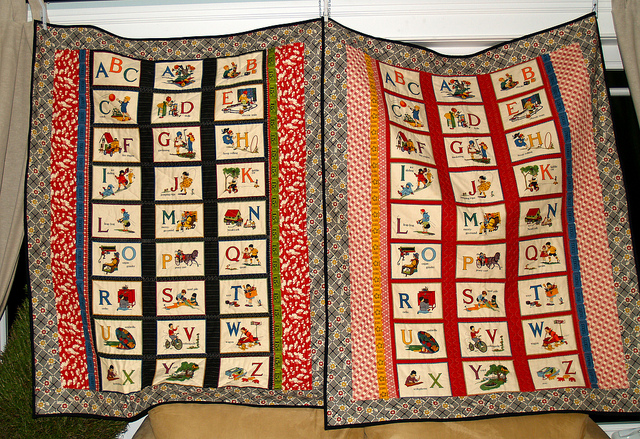
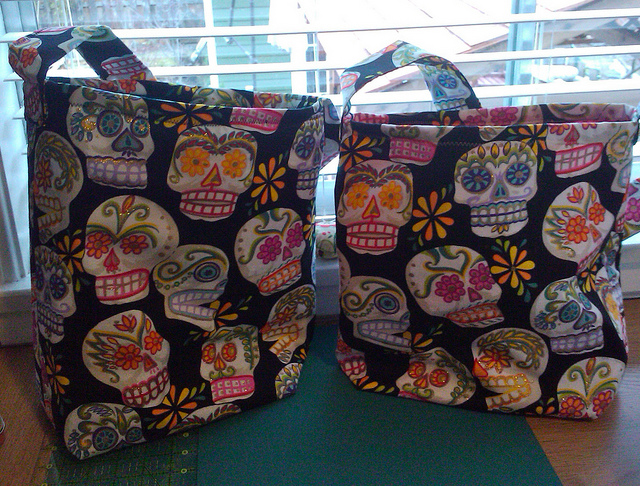
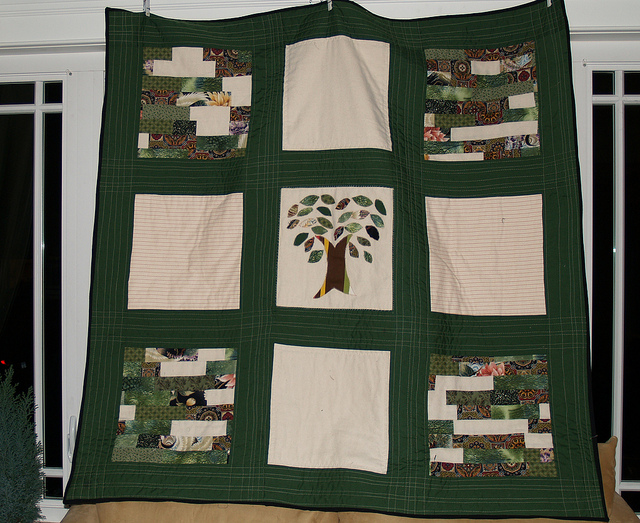
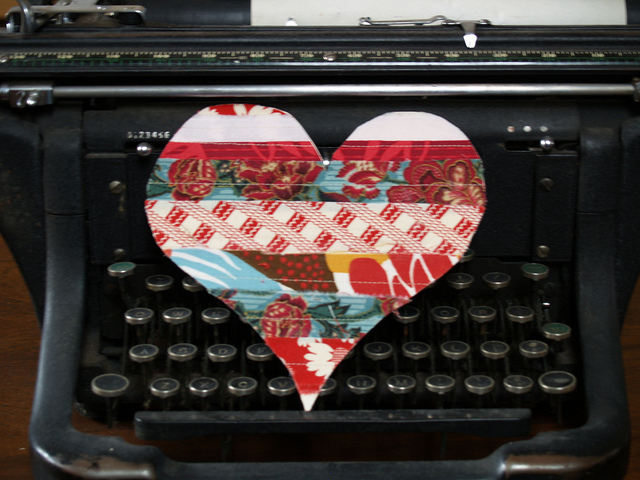
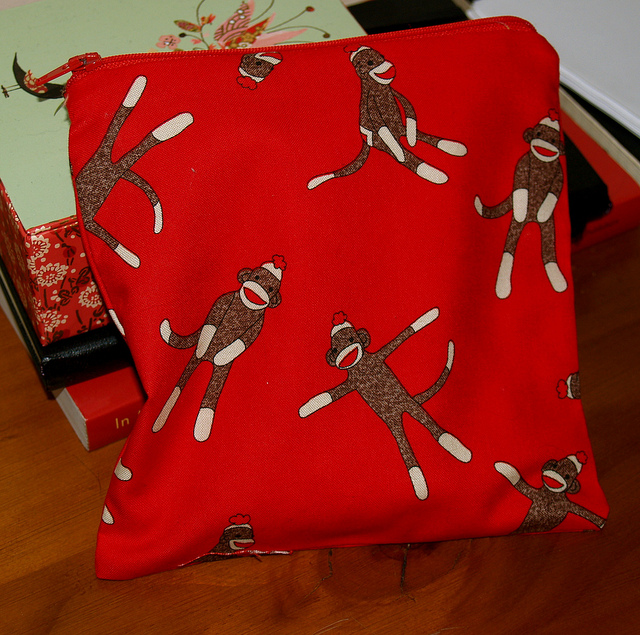
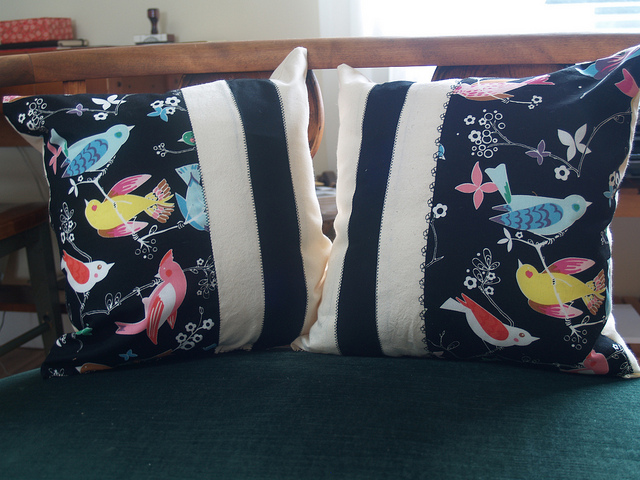
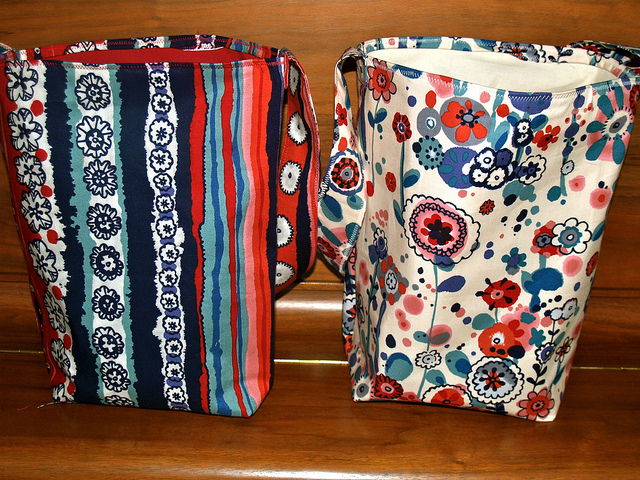
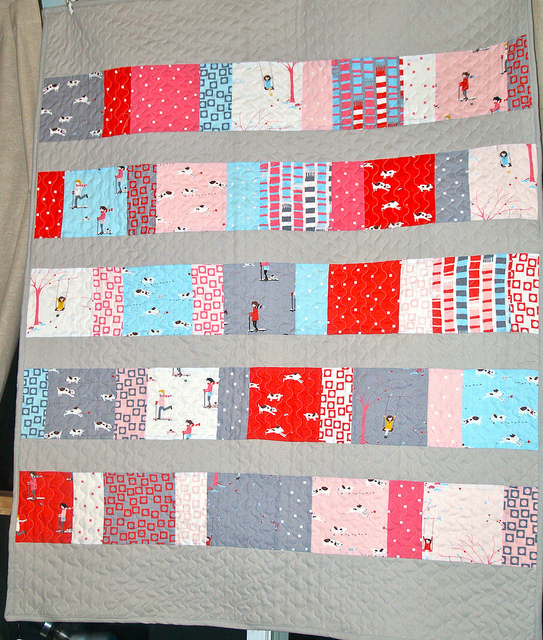
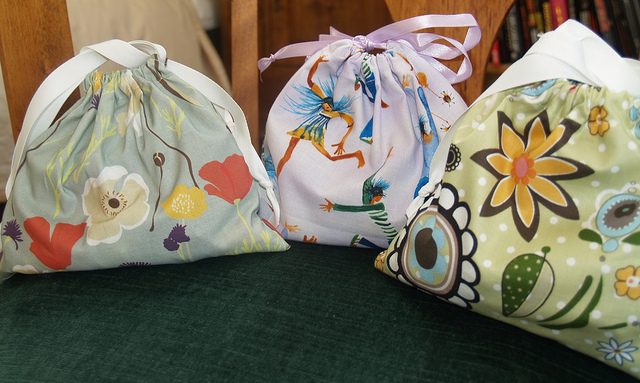
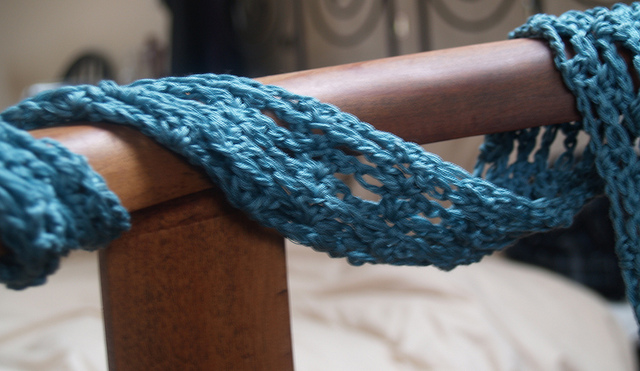
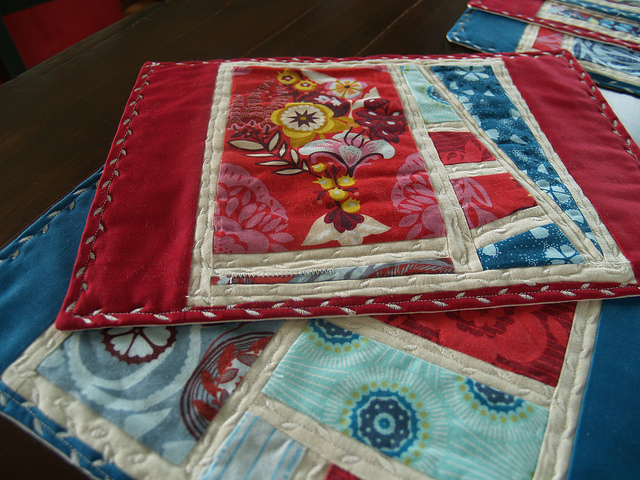
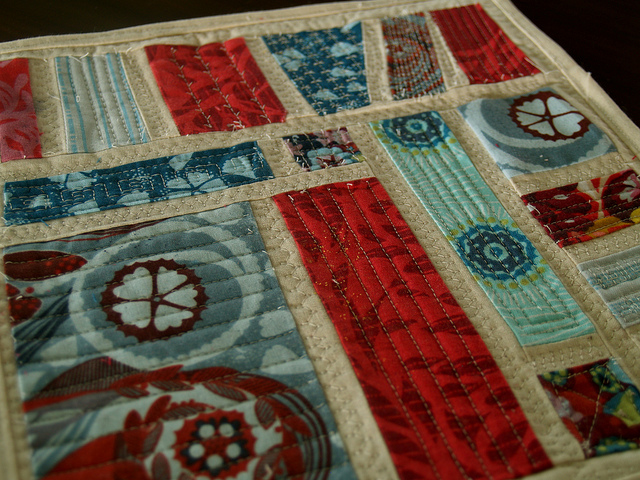
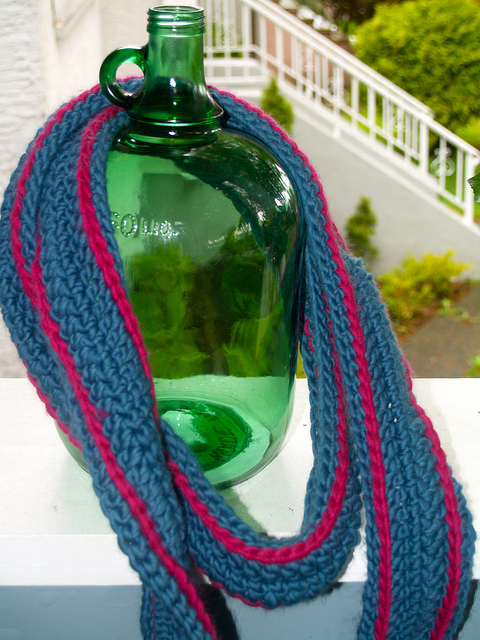
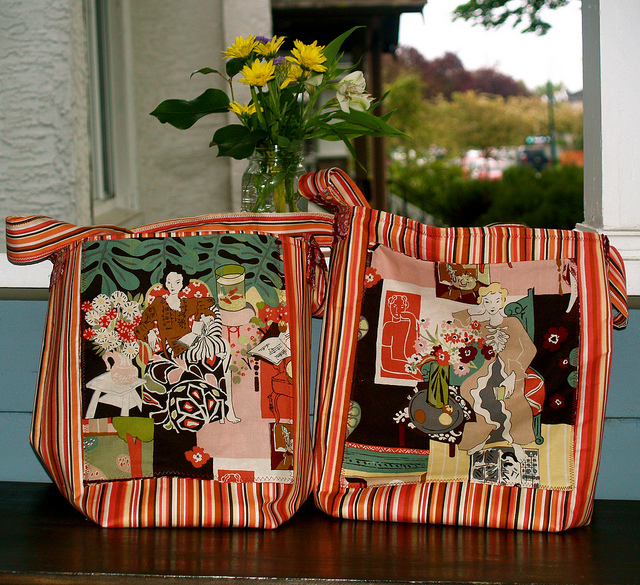
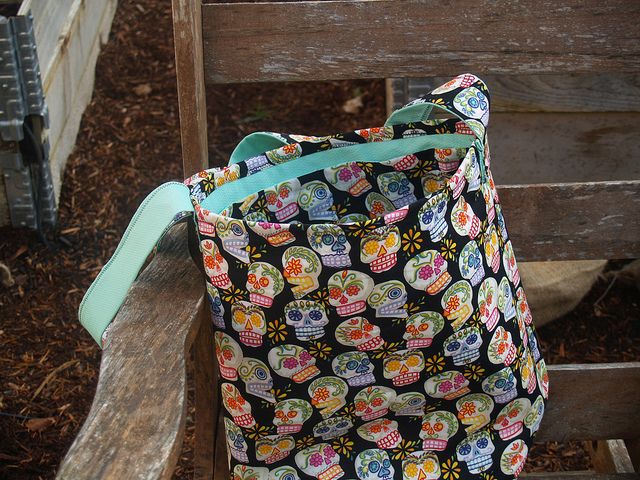
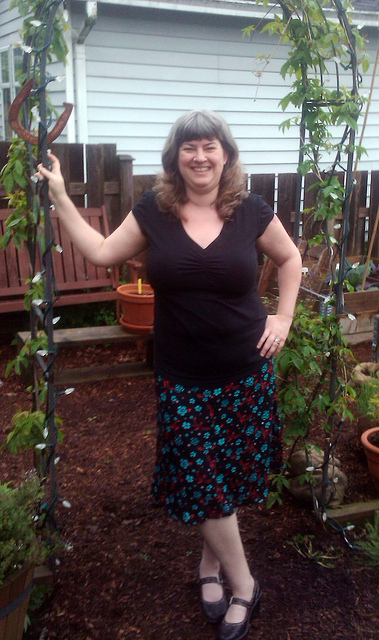
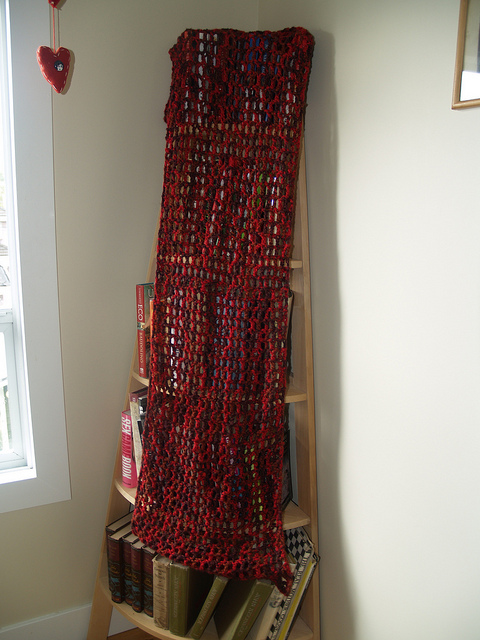
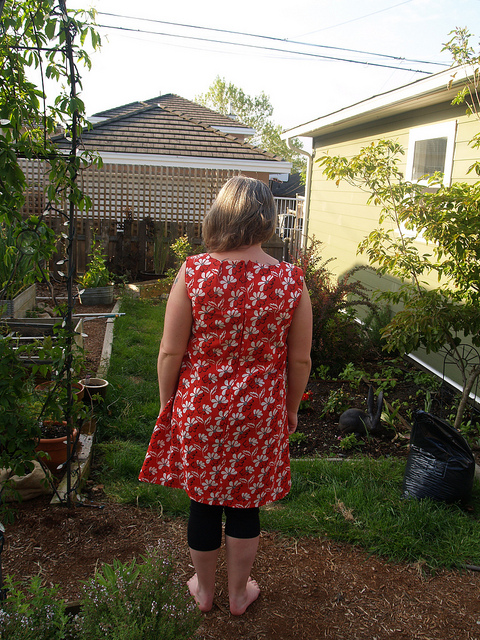
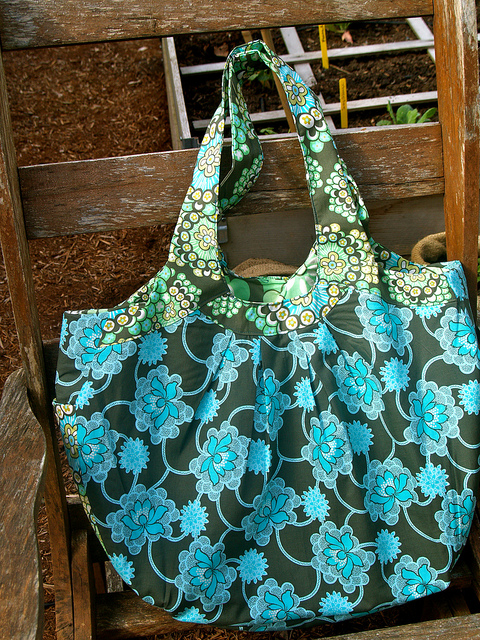
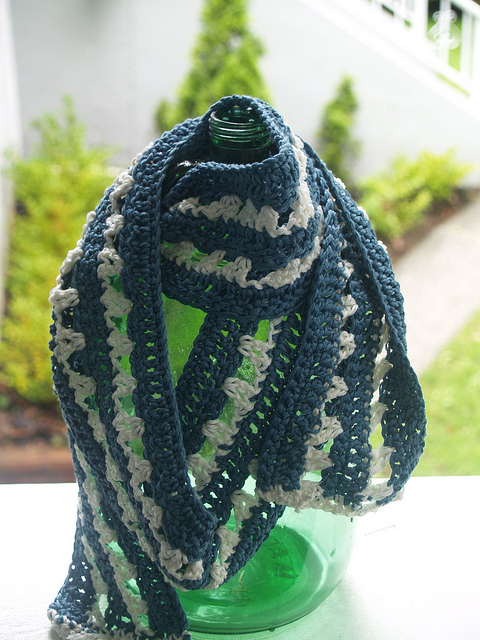
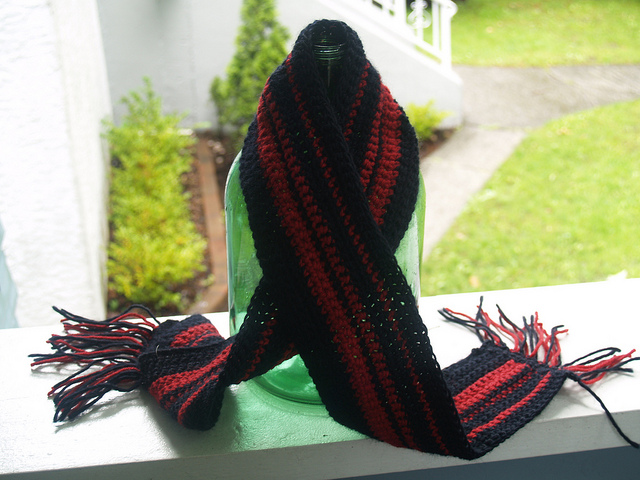
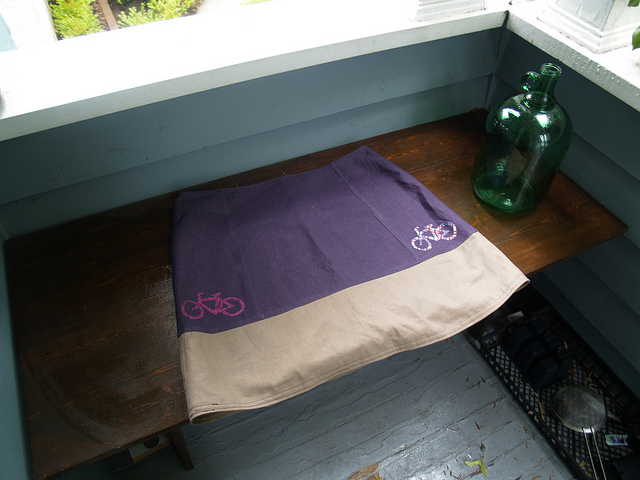
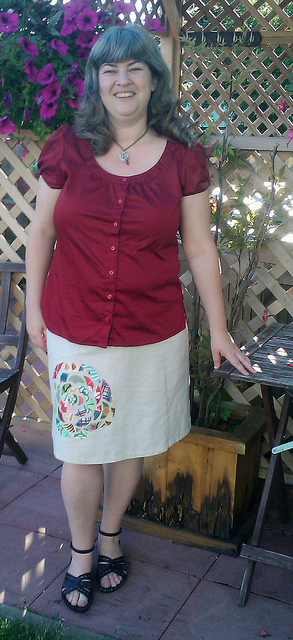
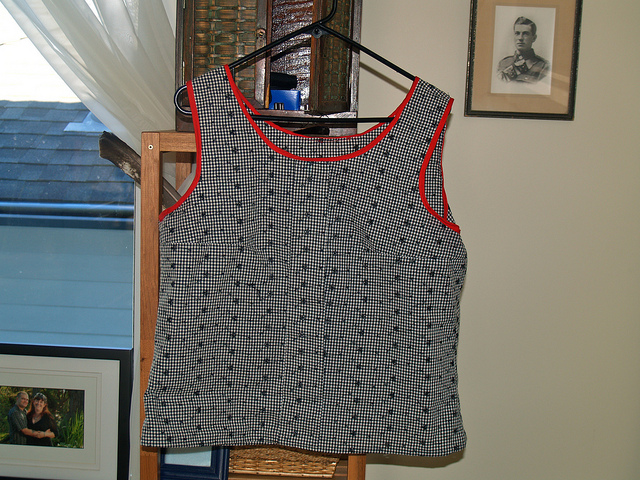
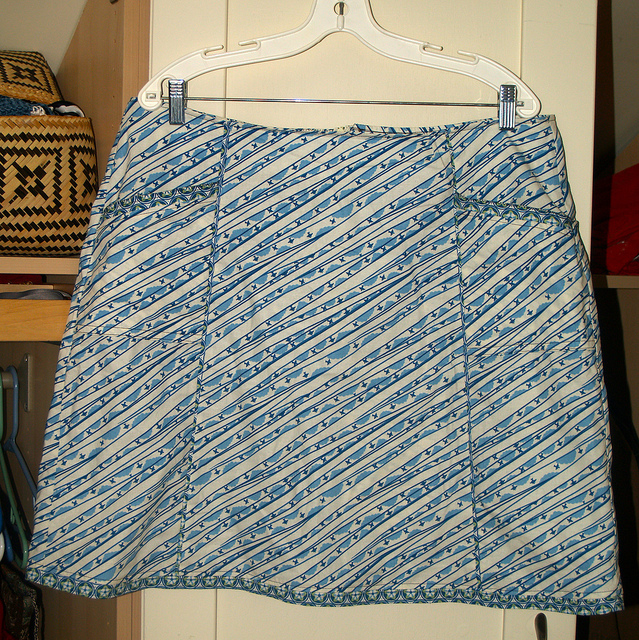
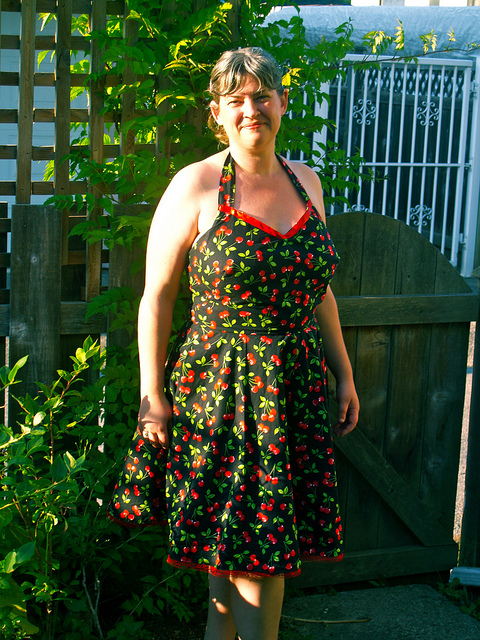
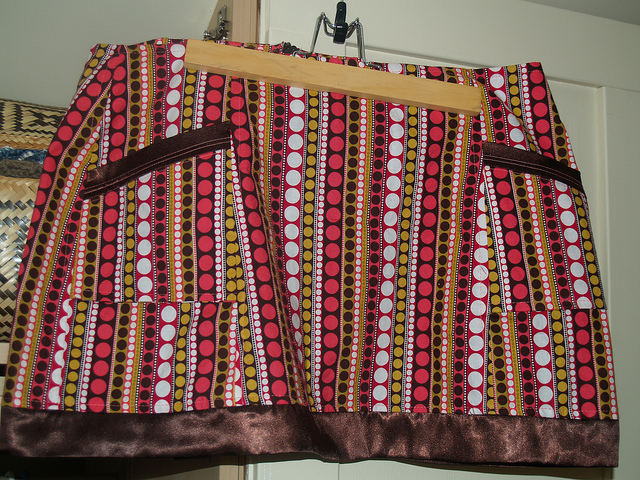
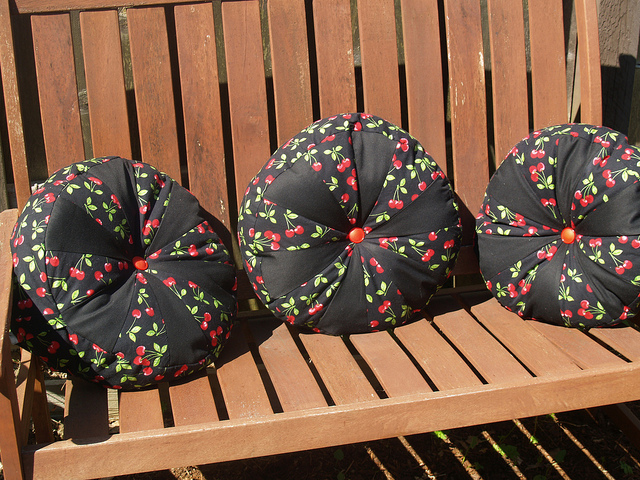
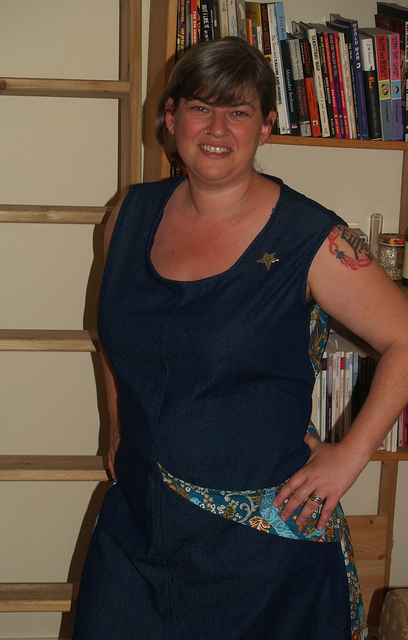
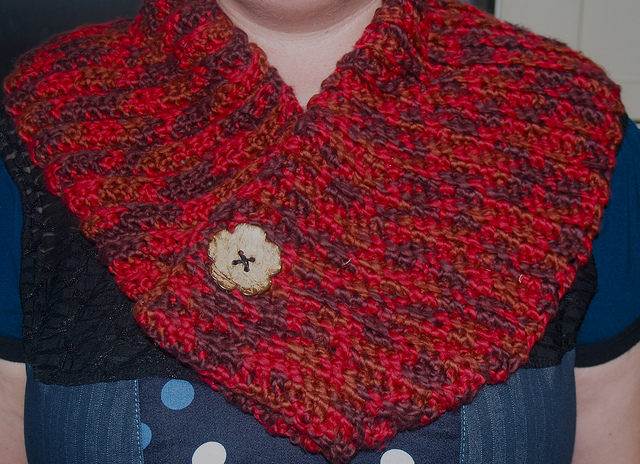
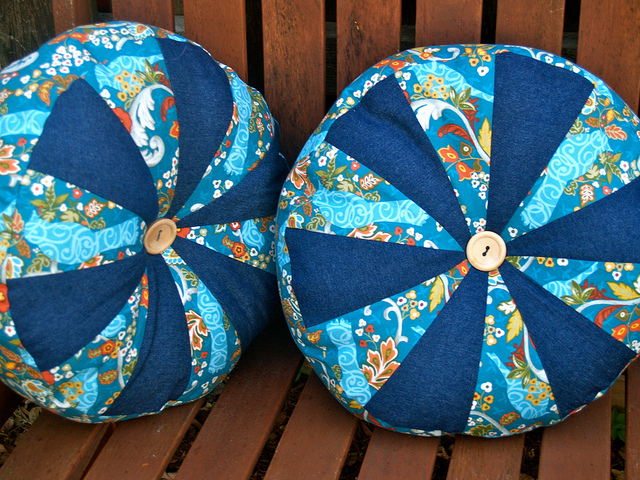
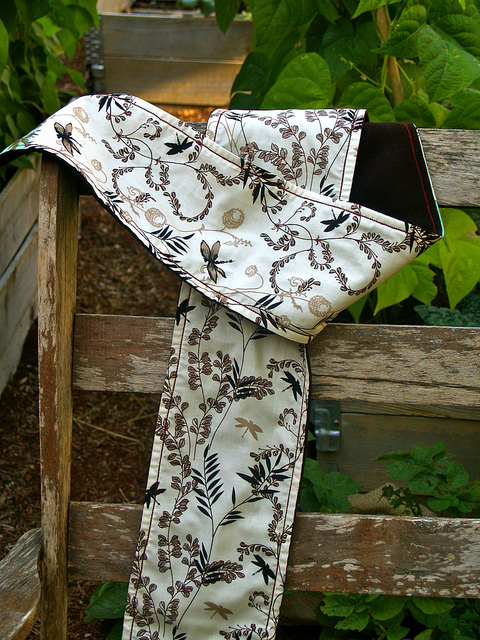
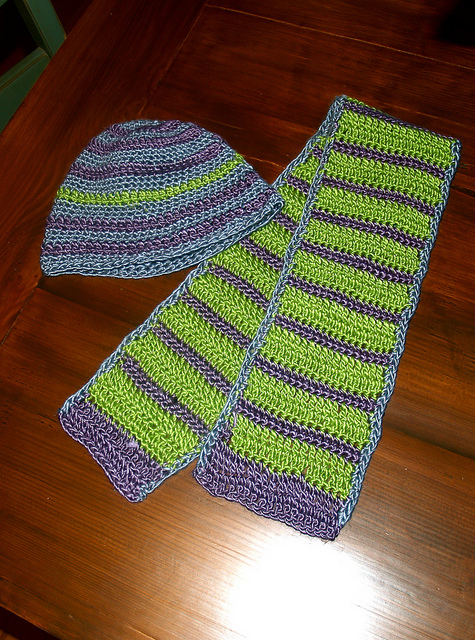
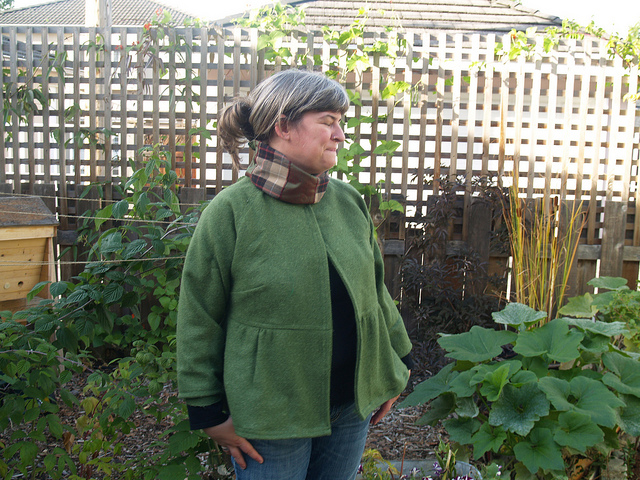
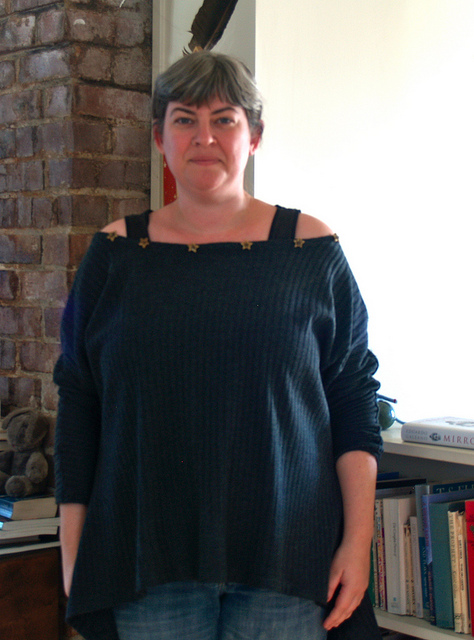
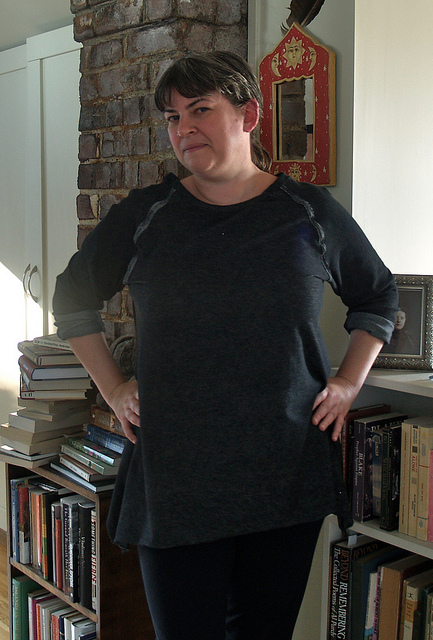
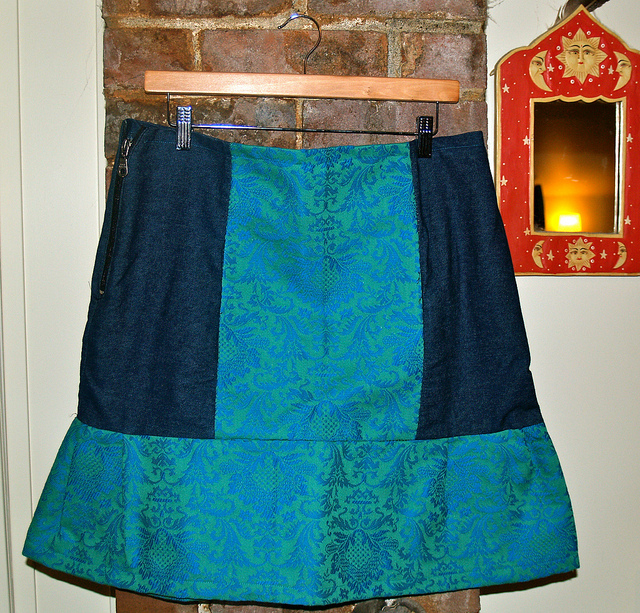
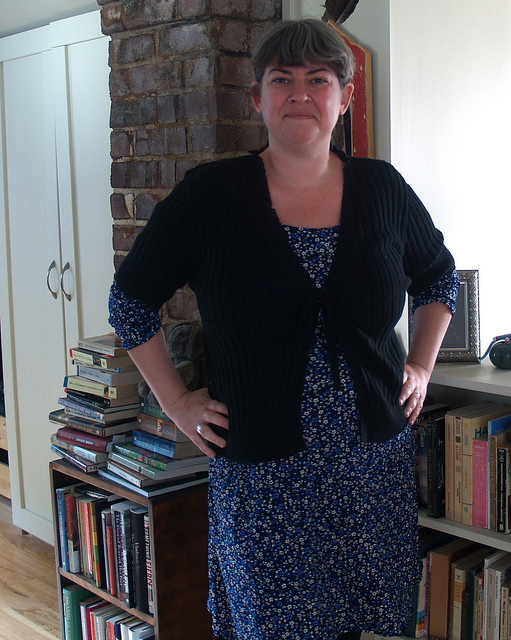
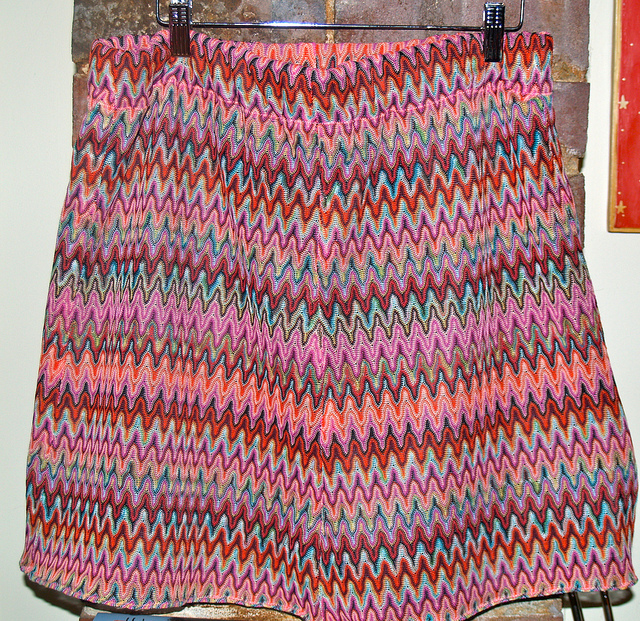
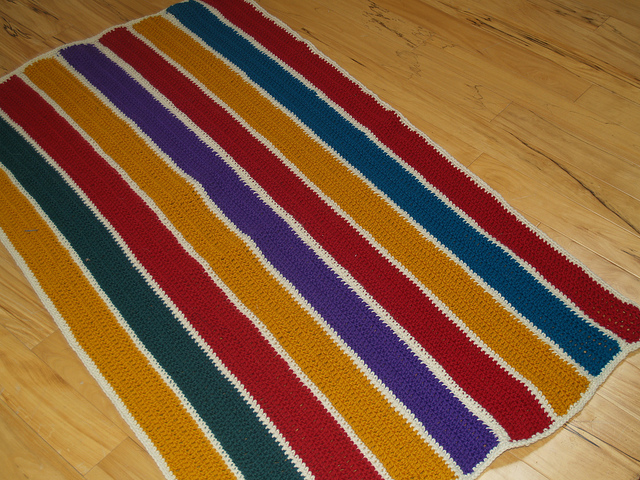
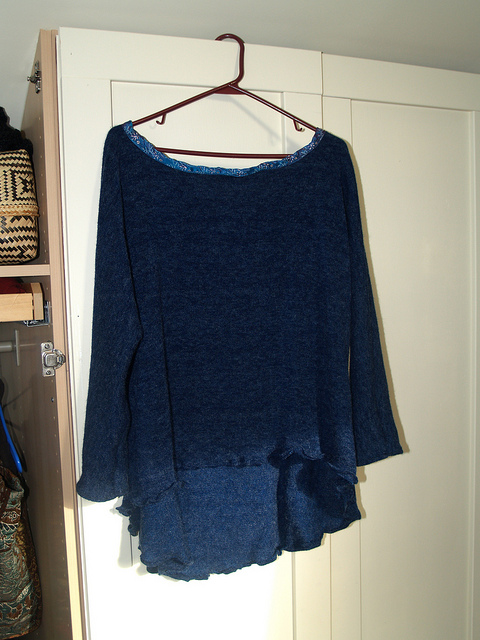
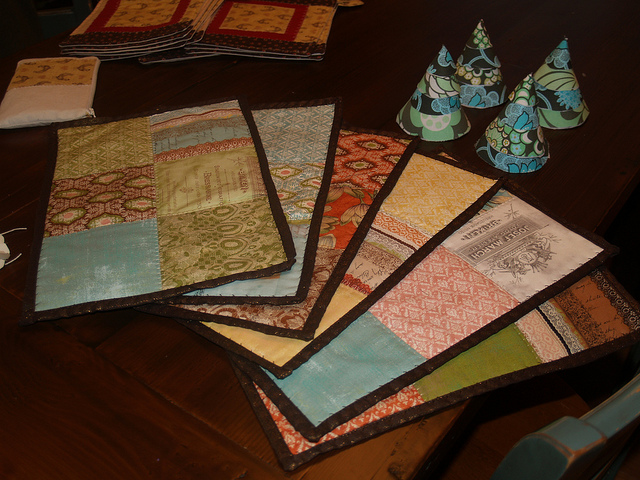
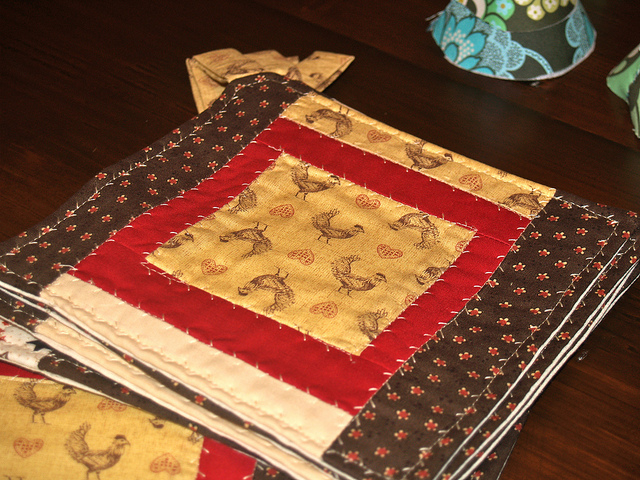
Because 2011 was such an oddly productive year creatively – I wanted to gather all the things I’ve made in one place just to look at them all and admire my industry (not my handiwork, that’s a little lacking – but man I’ve been industrious!) Gathered into one place it turns out that I made at least 48 fabric or crochet items in 2011 – nearly one a week….. which of course necessitates a new goal for 2012… to actually do one creative project/item per week (at least).
My textile goals for 2012 include completing at least one crochet sweater, improving my dressmaking skills – in particular finishing techniques and lining – and incorporating more fabric off my printer into craft items like bags. I’m pretty excited about making more stuff in 2012 since this last year turned out to be so productive. Not only did I learn an incredible amount (sewing clothes and crochet are both new to me since April), but I have tapped into some lovely and inspiring online communities of DIY women making fab things. So without further ado – here is the 2011 Gallery of Making……
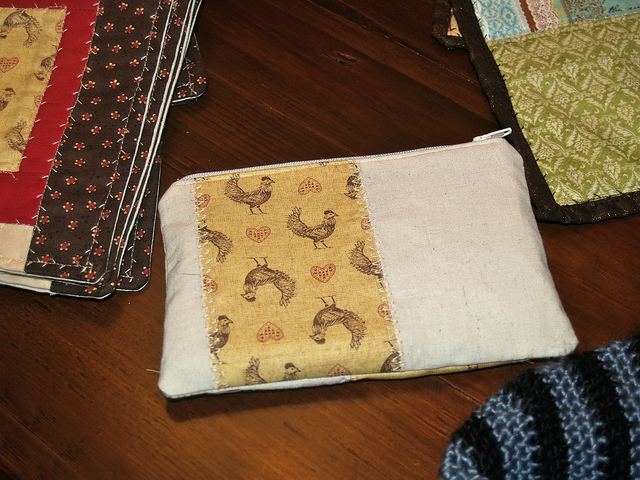
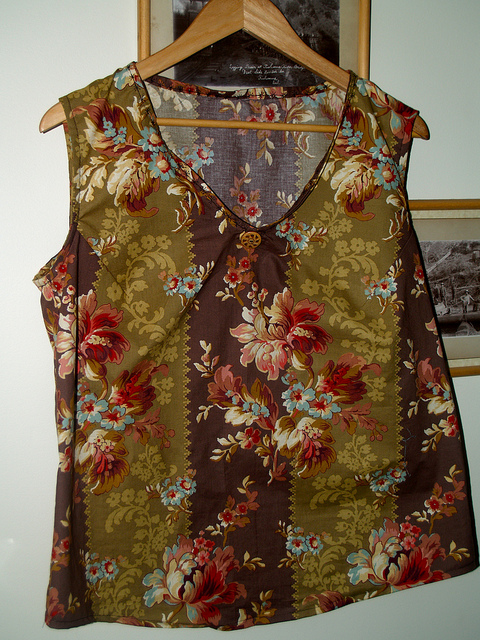
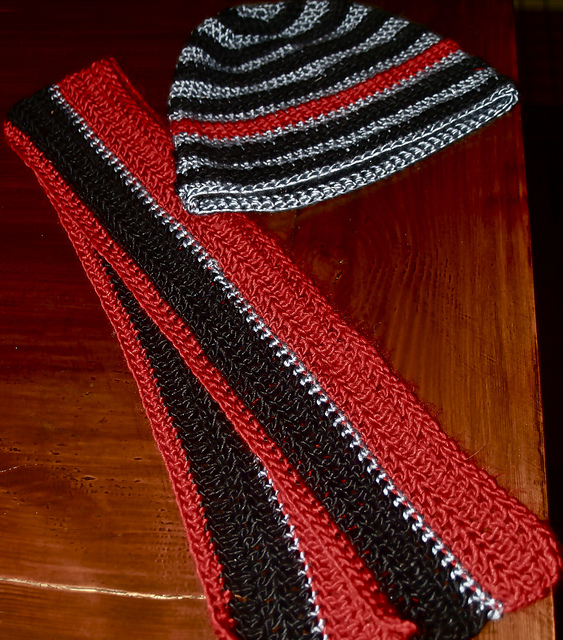
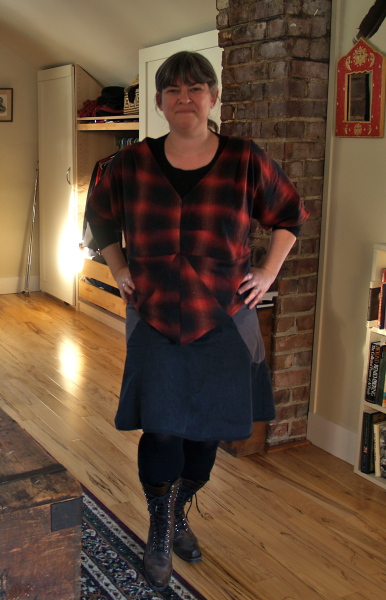
Resolve.
It’s the end of the year and am I ever exhausted! So much so that tonight is looking like a big ole relax at home rather than any NYE festivities. I’ve been thinking a lot about the past year and have come to the conclusion that while it’s been pretty good for our household, it’s all around been a difficult year for many people we know, and really for all of Canada (what with the crappy elections and all).
In the spirit of all this reflection I’m thinking about what kind of resolutions can make my next year better than this past one.
So for starters I resolve that:
- I am not taking on any new projects, positions, or grants in 2012. I’m busy enough already and I want to make more room for my interests.
- I will play music for a minimum of two hours per week. Hopefully more.
- I will get 30 minutes of outside time per day, even if the weather is crummy. Studies show that this amount of outside exposure is a key to being happy.
- I will either go to the gym or otherwise do something physical four times per week.
- I will keep investing lots of time in my home, my relationship and my friends – the things which bring me the most satisfaction in my life.
I could go on of course, living a decent life being the continual project that it is, but I’m going to stop with these mostly very specific things because I believe they are do-able and each of them bring even more goodness to an already good life.
Happy New Year to all of you. Here’s to a 2012 full of light and all the things that make your lives the best they can be!
xox Red Cedar
The perils of passion.
Although Emma Bovary is hardly a sympathetic protagonist, Madame Bovary is still one of my favourite novels. A little melodramatic in spots perhaps, but I assume that is the effect Flaubert was looking for in his condemnation of the new bourgeois and their destructive capacity for romantic narcissism. For it is a combination of self-aggrandisement and ridiculous romanticism which ultimately undoes the lovely young Emma, wife of a boring country doctor.
In brief, the plot: Emma Bovary marries (of her own choice) Charles Bovary, a country doctor and goes to live with him in a rural area that is barely even a town. Emma’s education has mostly been in the form of romantic novels, and she yearns for an exciting and romantic life such as have been depicted therein – but in the life of a country doctor’s wife she is bored and unable to find love in her marriage. A chance invitation to a ball in the nearest large town exposes Emma even further to a world she wishes to access and she is heartbroken by her life to the degree that Charles finds a new position in a larger village so she might be happier. It is here that despite now having a small child, Emma embarks on two affairs which each last for a few years, and in the process of trying to keep her lovers and the money flowing for their dalliances gets her household into deep debt, destroying her husband’s reputation and finances. Instead of facing what she has done in the end, Emma Bovary swallows arsenic and dies a horrible (unromantic) death, leaving her husband and child behind – a shell of a household.
As you can see, not very sympathetic – but for all that, Flaubert is not merciless to Emma and we are exposed to her motivations throughout the novel – chief being that she believes that life of women to be unfairly constrained. Throughout the novel she makes commentary on how men are free to do as they please, whereas she has never been free to choose her fate. Increasingly, this lack of freedom and choice choke Emma (literally, she comes close to dying from seizures and depression more than once), and she attempts to counterbalance it by acting as a man in her love affairs. In her first affair, she is very much controlled by Alphonse who has both money and an aloofness which puts her in his power, and yet still she at times seizes what she can by boldly coming into his house and disrobing before him. While she seeks to use her sex as the ultimate lure for Alphonse, she ultimately fails when she goes too far in pushing her agenda with him (to run away together), but in her second affair she takes a different tack all together. Because Leon is younger and has been enrapt by Emma for many years, she is able to take the lead in their relations and play the stronger character. In this role Emma is wild and mannish – she smokes cigarettes and drinks, eats heedlessly, borrows money recklessly and pursues sexual dalliances with Leon she ascribes to the masculine freedom she does have.
What Emma seems to really want from the world is the freedom to *be* her first lover Alphonse – a somewhat wild playboy who has enough money to live an exciting life. This is where she locates the passions – in fine food and drink, sex, smoking, beautiful clothing and accessories, and travel to large cities. In her home life of husband and child she sees nothing but tedium (not unlike Alphonse who recoils at the idea of becoming a stepfather) and chains. Interestingly, Emma doesn’t fixate on becoming one of the women in the high-flying community she seeks just above her – but is endlessly fascinated by the men and the access they could grant her to freedom.
Not unlike Edna Pontellier in Kate Chopin’s The Awakening, it is hard to sympathize with Emma – who is actually much more wicked than Edna in the devastation she leaves behind with her suicide…. but at the same time, we can recognize the madness created in a world of such social constraint. Emma’s recklessness comes from a place of surfacing – as though she is drowning and the moments in which she breaks surface it is all she can do to gulp the passions she desperately craves. Rather than thinking about the loans and papers being signed at the local moneylenders, she sees only the possibility for more passions being met rather than the decimation of her family and ultimately her own life. And in this she appears powerless, swept into the current of her beating heart crying out for a different kind of life. An unrealistic life. An unsustainable life. But Emma doesn’t have the self-awareness to see that every piece of silver eventually tarnishes – and she is as caged in delusion as anything else.
At the end of Madame Bovary Emma is frantic in her delusion – that she can raise the money to forestall the bailiffs coming to auction off their household possessions – and she tears from one lover to the next demanding that they find a way to give her what she wants. Here Flaubert draws precisely the lack of substance in Emma’s relationships, the ephemerality of passion which is loyal to no one once it wafts away. Emma’s own personality becomes as insubstantial as she vacillates between being horrified at the notion of prostituting herself (to the country lawyer), and being willing to give herself back to Alphonse if he can come up with the money (despising him when he claims to be short of cash) – desperate for Leon, at least to show his love by stealing from his employer to aid her. Realizing at last that no one will come to her rescue, Emma crams a fistful of arsenic into her mouth in the hope of a peaceful death. Even this is denied of course, as poisoning is anything but peaceful and it takes her more than 24 hours of vomiting blood before she does die. Horrible!
And so we are left with the struggle of women in bourgeois society to find meaning, a moral tale about where meaning is not to be found, a commentary on social hypocrisy, and a condemnation of the stolidity of rational life (for while we don’t blame Charles for what happens, we aren’t particularly enamoured with his lack of fire either). Flaubert’s novel is certainly no “romance” (as often classified) but it is an examination of romantic ideals popular in his time – and a critique of a social order in which the denial of passions (while simultaneously elevating them in popular culture) could turn out to be as damaging as the passions themselves.
I haven’t read this yet – but here is an article by AS Byatt in the Guardian (from 2002) about Madame Bovary which promises to be interesting.


