Red Cedar
More apocalypse, less angst
My weekend in photographs.
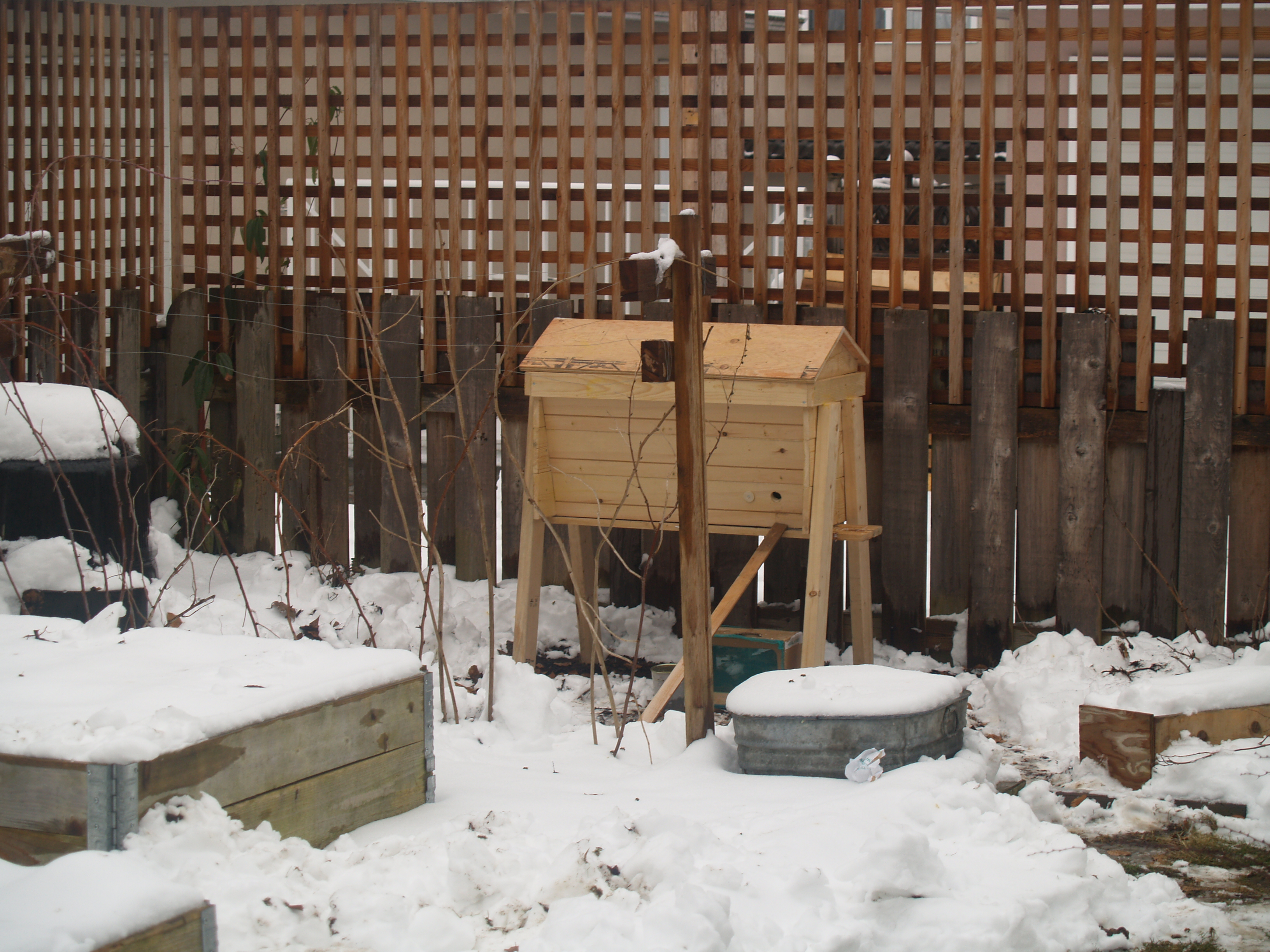
I woke up Saturday morning with the unmistakeable feeling of relief. A gladness that instead of getting on a plane to Ottawa today, I had the whole weekend before me to do with as I pleased (not to mention the stuff I needed to get done). So it’s been two dinner parties, sewing, loving, cooking, errands, putting the finishing touches on the beehive, picking up my bees and installing them in the beehive and reading all weekend long. Which is about as awesome as it comes! Here are a few pictures from the weekend’s activities (more will be posted about the bee-install at Among the Weeds tomorrow):

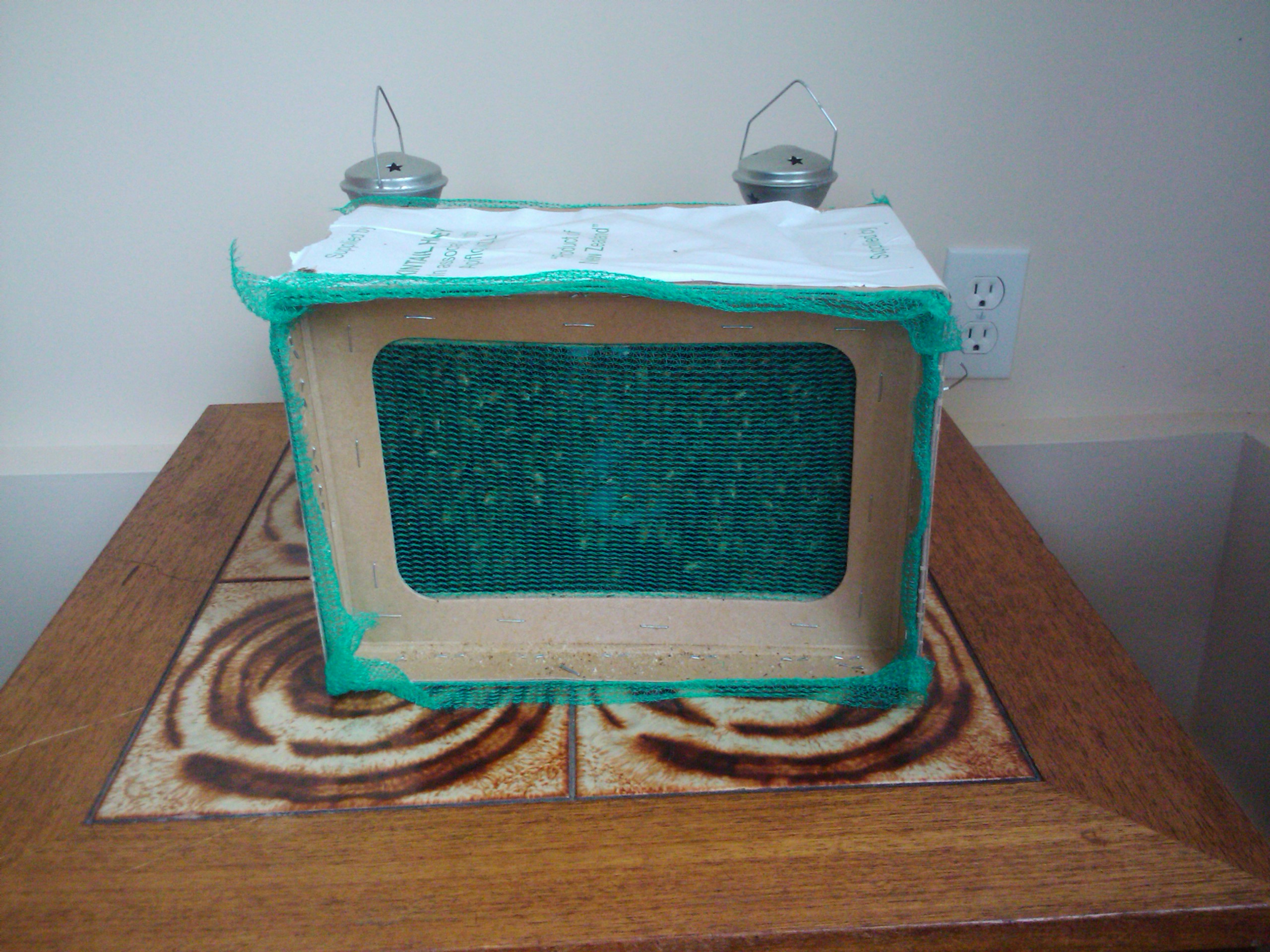
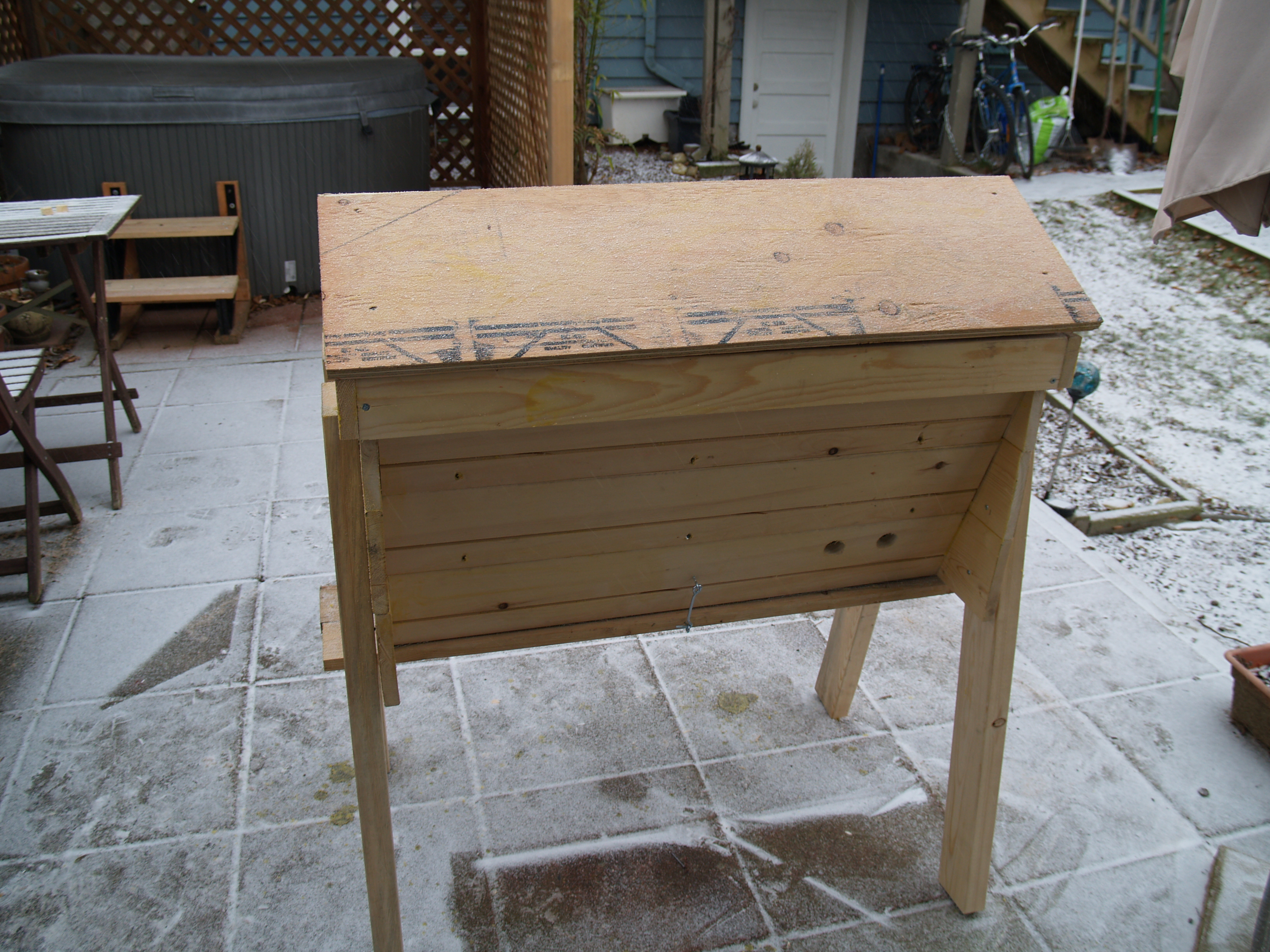
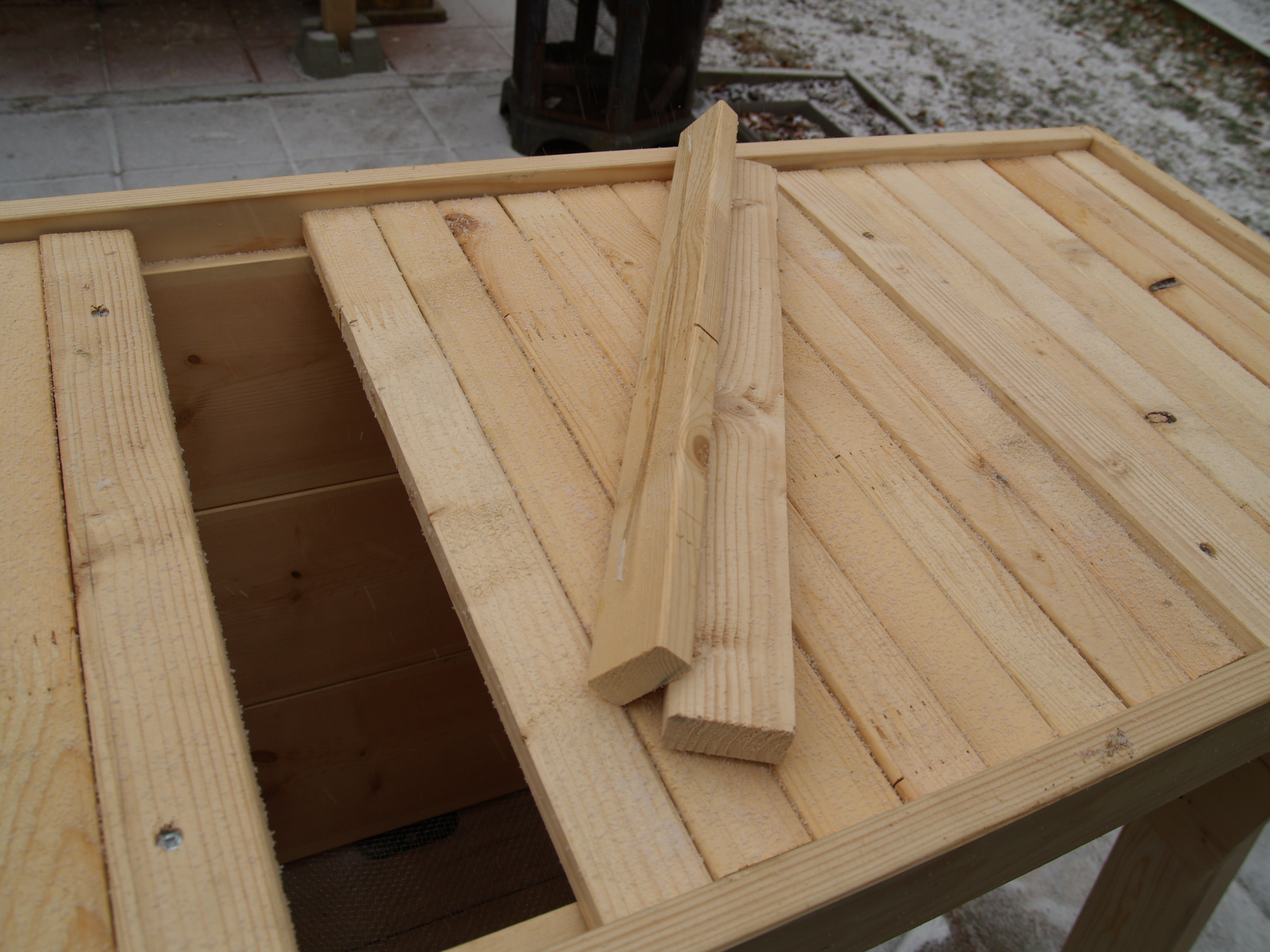

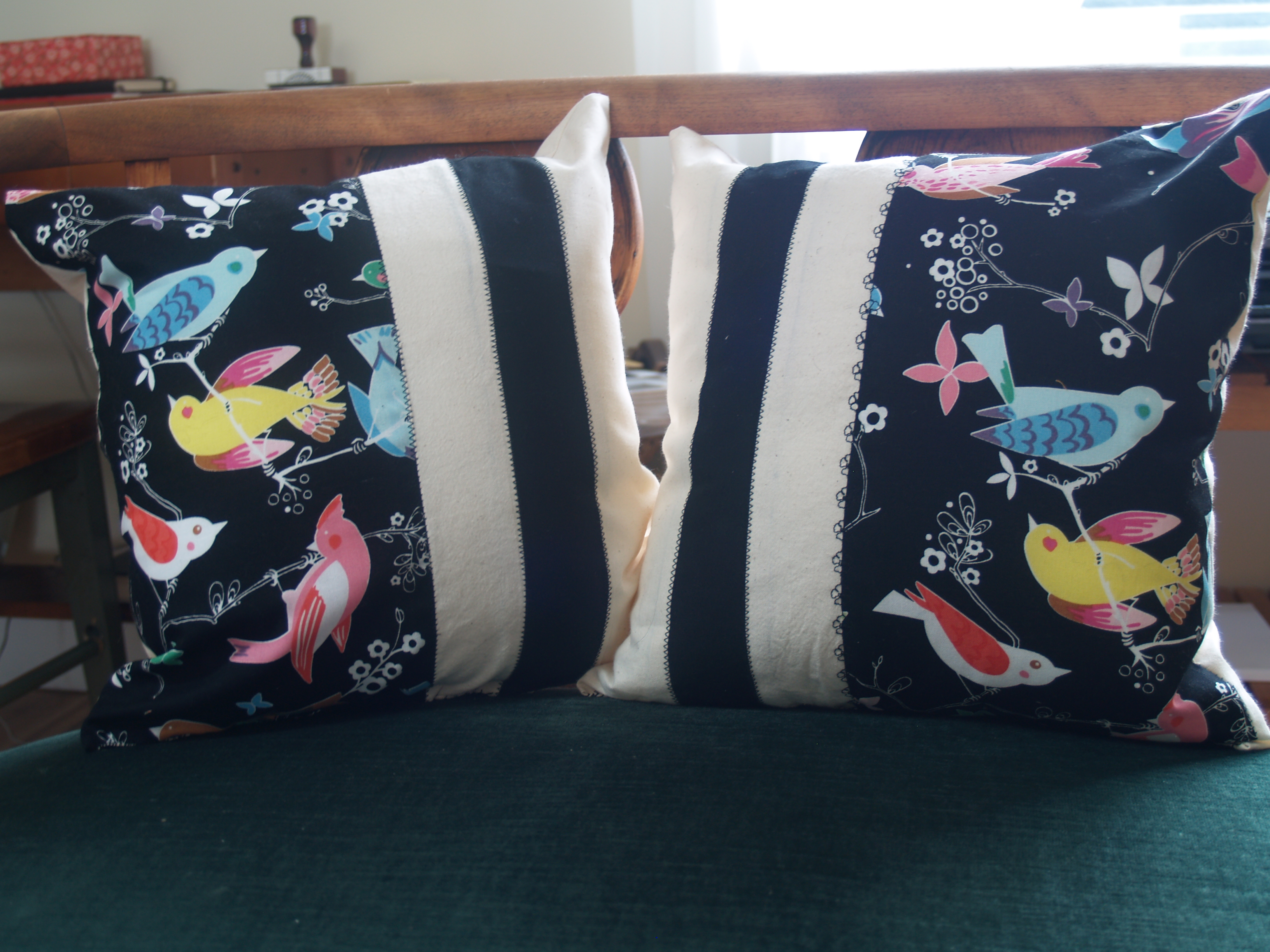

How many of these can you do?
A friend pointed me to a list of 99 essential skills for the green do-it-yourself-er over at planetgreen.com. How many of these can you do? An interesting exercise in pinpointing weak spots in self-sufficiency. (Mine are crossed off, italicized if I have *some* skills but not enough). Personally, I think a ton of skills are missing from this list – like building a solar oven and cooking with one, root cellaring, doing away with the use of a refrigerator for most of the year, keeping bees, making beer and wine, making medicines from herbs etc. But it’s a starting place….
Essential Food Skills
1. Read and understand product labels
2. Bake bread
3. Make your own bread starter and keep it going
4. Make cheese, yogurt, and kefir from local milk
5. Preserve food by canning
6. Preserve food by drying
7. Forage for local wild foods safely
8. Raise a couple of backyard chickens
9. Make your own tofu,tempeh, and soy milk
10. Eat locally and in season
11. Grind your own flour
12. Grow your own produce
13.Grow your own herbs
14.Grow your own sprouts
15. Blend your own herbal tea
16. Have a repertoire of vegetarian recipes you can use for various occasions
17. Fish or hunt responsibly if you eat meat
18. Make homemade pastas and other pantry basics
19. Cook a variety of foods well
20. Utilize a menu to minimize food waste
21. Throw a party without compromising your green values
22. Make Your Own Vanilla Extract
23. Sharpen kitchen knives so they last
24. Make homemade granola bars, granola, waffles, and other breakfast items
25. Make baked goods from “scratch”.
26. Understand terms like, “organic”, “Fair Trade”, “all natural”, and “GMO”
Essential Household Skills
27. Sew well enough to repair clothing
28. Sew well enough to make your own clothing and reusable shopping bags
29. Sew fitted cloth diapers for your baby
30 .Knit or crochet dishcloths
31. Know how to reupholster a chair
32. Make your own laundry soap
33. Make your own dishwasher detergent
34. Make your own house cleaning supplies
35. Use diatomaceous earth, bay leaves, and other “eco-friendly” natural pest deterrents
Home Maintenance and Repair Skills
36. Use non-electric appliances rather than electric
37. Know where to find non-electric appliances
38. Program a thermostat
39. Tile a counter top
40. Use 0 VOC paint
41. Repair a screen
42. Use a caulk gun
43. Make simple appliance repairs such as replacing belts
44. Find what you need by bartering, or using CraigsList, eBay, and thrift stores
45. Repair a leaky toilet
46. Repair a leaky faucet
47. Replace a faucet
48. Check your home for energy leaks using incense, a candle, or a device that is created for that purpose
49. Unclog a drain without using Drano or harmful chemicals
50. Insulate an attic with eco-friendly insulation
Gardening Skills
51 .Build a compost system
52. Use compost to enrich your soil
53. Plan a garden for your climate
54. Understand xeriscaping
55. Plant a multi-seasonal vegetable garden
56. Build a simple cold frame for salad all year
57. Build frames for raised bed gardens
58. Make a rainwater catchment system
59. Use a manual reel mower
60. Use companion planting methods to control pests
61.Build a bat house to encourage bats and decrease mosquitoes
62. Use predator insects like Praying Mantis to control garden pests
63. Know what heirloom seeds are and why you should use them
64. How to plant open pollinated vegetables for best yields
65. How to save seeds from your own produce
66. Plant trees and bushes to cut your energy bills
67. Use soaker hoses to conserve water
68. Sharpen and maintain tools
Health Skills
69. Know how to use herbs and natural remedies to treat common illnesses
70. Make your own soap
71. Make your own skin care products
72. Use essential oils for health and cleaning
73. Make your own deodorant
Transportation Skills
74. Tune up a bicycle and make repairs
75. Do simple maintenance on your car
76. Arrange or locate a carpool
77. Learn to use hypermiling techniques
78. Plan eco-friendly air travel (((there is no such thing as eco-friendly air travel!)))
Energy Skills
79. Install exterior solar lighting
80. Install a solar panel
81. Know where to find the most eco-friendly, green power source available to you
82. Connect home electronics to power strips for easy shut off
83. Check the wattage of an appliance
84. Calculate annual kilowatt usage
Conservation Skills
85. Use email rather than conventional mail
86. Switch to a paperless office
87. Locate the local library and use it rather than buying books, DVDs, and tapes
88. Adjust your settings on the computer to make it more energy efficient
89. Use skype and other technology to limit the need for travel to conferences
90. Learn to plan eco-friendly vacations, such as camping (and leave no trace)
91. Replace a hobby with an environmentally friendly hobby
92. Locate and use recreational green spaces such as hiking trails, parks, and public gardens
93. Understand and be able to explain what cradle to cradle means
94. Understand and be able to explain what carbon emissions are
95. Understand and be able to calculate a carbon footprint as well as explain what it is
96. Know where to recycle technological items like computers, microwaves, televisions etc.
97. Identify and sort a variety of recyclable materials
98. Know where reusable items can be substituted for disposables
99. Understand and be able to explain cap-and-trade
What is Required Reading?

Brian and I launched the new blog Required Readings this week – tagline being “Culturally-significant texts: Across genres, across the ages.”
After poring through so many “best of” and Western canon lists we figured, hell – why not make our own? And so Brian has very busily compiled a list of over 700 texts and we are aiming to write a synopsis and defense for each one of those titles being on the list over the next long while. One book = one blog post. And we expect the list to keep growing too because this is an interactive project! So far we have only two books “reviewed” for the site, but I’ve got another in the hopper today so expect that count to rise on a daily basis as we research and write about culturally-significant novels, poems, plays, philosophy and non-fiction.
Got suggestions for the list? Please add them in the comments section. We want to create a bit of a debate and dialogue around this project – so please pass it along!
Upcoming Mushroom and Herb Workshops
 Last year I posted here about attending a mushroom-growing workshop in Langley that resulted in a couple of mushroom logs for my backyard and the confidence to go further with mushroom-growing this spring. Hosted by Bill of Western Biologicals, I can’t say enough good things about the information I got out of that morning workshop and the other awesome folks I met there who were all doing their own variety of urban homesteading.
So imagine how pleased I was to get a flyer from Western Biologicals mailed to me yesterday that outlines upcoming workshops for those of you interested in getting to know more about backyard mushroom growing. The following workshops must be registered for by sending a check to Western Biologicals, PO Box 283, Aldergrove BC V4W 2T8. Any questions? You can phone 604-856-3339 or email westernb@shaw.ca.
2011 Western Biologicals Workshops Include:
- March 19 from 1-4: Growing Oyster Mushrooms on blocks of straw – $35
- March 20 from 9-noon: Growing Shiitake and Oyster mushrooms on wood logs – $34
- March 26 from 1-4: Propagating and Growing Wasabi – $35
- March 27 from 9-noon: Popagating and Growing Stevia, the Sugarleaf Plant – $35
- April 16 & 17 9-4: Full Program Specialty Mushroom Workshop. Agenda includes: Sport and tissue culture; preparation of mushroom spawn including liquid spawn techniques; Cultivation of shiitake, Oyster Mushrooms, Enoki, Nameko, Simeji, Reishi, etc; Alternative methods for preparing mushroom substrates including chemical pasteurization, low temperature sterilization. Hands-n sessions. Medicinal uses of mushrooms, cooking with mushrooms and dyeing with mushrooms. Includes Mushroom farm tour. Participants receive free mushroom cultures. Registration fee includes materials and lunch on both days – $250 plus HST. Register early!
- May 8 9-4: Fermented Foods Workshop – Learn how to make KimChi, Tempeh, Vinegar and other fermented foods. Lunch included – $150 plus HST.
- May 15 9-5: Extracting and Refining perfume/essential oils – $150 plus HST
- Plant Tissue Culture Workshop: Participants learn to perpare tissue culture media as well as make tissue cultures of a variety of plants. We will build a horizontal laminar flow clean air cabinet as a class exercise. Mets on a Saturday or Sunday every six weeks or so. Registration fee for five sessions includes materials. $250 plus HST.
Having taken one course from Bill, I can assure you that these courses will all be well worth your time as he is a wealth of information and has been at plant and mushroom propagation (including the trickier aspects) for a long time. Spawn and growing supplies are also available through Western Biologicals – send an email to the above address for a complete catalogue and workshop schedule.
Taking the ten percent shift a little further.
 I’m at home today, hoping to battle off the sick-ish feeling I’ve had all week: exhaustion, scratchy throat. Not really flat-out with it, but limping along the way we get with the onset of a cold. It’s lots of vitamins here and good food, a sick day from work and hopefully I’m on the right track again by tomorrow.
I’m thinking this morning about a new campaign started by a provincial union called The Ten Percent Shift which is all about pledging publicly to buy local — a shift in itself as the union movement has traditionally run “buy Canadian” and “buy union” campaigns without ever giving the environmental impacts of shipping a second thought. But in keeping with “greening” the labour movement and revitalizing our local communities, CUPE is putting itself out there to encourage shifting 10 percent of our purchases to local goods and services. An admirable goal to encourage, but one that I don’t think goes far enough.
About a year ago now, Brian and I pledged changing some of our consumer habits in order to reduce our own carbon footprint after we read Bill McKibben’s book Eaarth (which presents the need to do so in the most urgent of ways). I’ve always considered myself a somewhat ecological consumer – but the reality is, North American consumer design pretty much works against being so at every turn – and to get out of that trap you’ve got to work at it a little bit.
While we are far from perfect, some of what we’ve elected to do to reduce our carbon footprint in the last year includes:
- Planting a garden.
- Canning our own food in the summer from local produce. We purchased most of our produce in Keremeos where it is very cheap (on our way back from camping) and put up tons of food inexpensively.
- Buying local and in-season as much as is possible. To do this, we signed up for the NOW BC Co-op and when the Main Street Farmer’s market was open, I also shopped there once a week. The only fresh food we are getting these days that does not come from BC or Washington is bananas and avocados, and those we purchase fair trade through the co-op. This of course means eating lots of canned local foods in winter.
- Switching back to using dried beans instead of canned. We eat a lot of beans in our house, and although I used to always buy dried beans I got lazy over the years and went with canned. Which essentially means shipping water all over the place, and eating food loaded with salt for preservative. I’m really pleased we’ve switched back on this, even if it does need a little more prep work (our beans and lentils come from Saskatchewan and Washington State primarily).
- Making our own beer and wine. Again, we don’t need to ship water all over the place and beer-making in particular is so uber-cheap it’s ridiculous.
- Taking more books out of the library rather than purchasing them.
- Buying bulk and storing food. It’s just much easier on the environment to purchase larger bags of things like flour, barley, rice, oats etc – and set up proper food storage at home then making multiple trips to the grocery. It also gives us the chance to source and buy local – and it brings down the price of organic goods significantly, which your chain grocer doesn’t really provide for.
Over the next year I’d like to work on consuming less overall, canning double the amount of food we did last year, and growing more food as well as getting the honey production started in our backyard. I’d also like to get back to cycling and walking for all local errands rather than getting in the car because I feel pressed for time. When we do consume, I would like it to be from locally-owned business as often as possible – which means paying more for things (Walmart is cheap for a reason – and that reason is usually the tiny fingers of children making your goods) and buying less of them.
I get the ten percent shift though, because for a lot of people moving away from Walmart, Costco, Safeway, IKEA, and other convenient and cheap retailers is inconceivable. How do we get buy without uber-cheap food and goods given that wages are generally low and the cost of living so high in areas like housing? To which the answer for each of us is to look at how we consume. Do we need so much? Do we throw out a lot of the cheap food we do buy? (Stats say yes, that Americans and Canadians throw out on average 50% of the food they purchase because they won’t eat leftovers or let food go bad before using it). Is it possible to purchase items second-hand rather than new?
Really, it’s all in the questions we ask ourselves and how we answer them which gets us to shift any of our lifestyle behaviours. In our household, we have a *long* way to go before I will consider us truly ecological (as evidenced by my Cash Diet post of last week) but for the moment, at least we’re asking the questions and trying to figure out where the answers take us.