Red Cedar
More apocalypse, less angst
In the garden first week of spring!

We got two full days of sun on the weekend which lead to a flurry of garden activity for the first time since I got the pea trellis and the vertical garden frame installed in February. There was the lemon/lime tree planting last week, but the awesome weather really allowed for us to get going on the garden prep. B and I working together managed to:
- Tidy! Winter leaves, twigs, and branches were all gathered and processed as either mulch or fire starter.
- Prune! Hydrangea, fuschia and other plants got some much-needed trimming.
- Fill! We went to garden works and bought some mushroom manure and compost to fill the veggie boxes with since they have lost about six inches of dirt in the past couple of years. Adding a leaf layer and then the soil we purchased, I now have six refreshed boxes for planting veggies in.
- Irrigate! I fixed our irrigation system to get rid of the drip tubes that didn’t work so well last winter.
- Pot! I made a new hanging basket and repotted some plants in need of more growing room.
- Fertilize! Using an organic fertilizer (fish), and some compost I fed all the potted plants to invigorate them. I also spread fish fertilizing pellets on all the beds as I had a rotting bag of the stuff that needed to get used up and soon.
- Plant! This weekend I planted potatoes (in bags) and peas. In the flower bed went dahlias, gladiolas, anemones and a lily. I also got my tea bush (Camellia sinensis) in the ground.
About the Tea bush
 When I purchased the lemon and lime trees from Bob Duncan, I noticed he also had tea bushes for sale. This intrigued me, even though I didn’t know much at the moment I put my $25 down – but since then I’ve only grown more excited about the possibilities of growing my own tea.
According to Wikipedia: “Camellia sinensis is mainly cultivated in tropical and subtropical climates, in areas with at least 127 cm. (50 inches) of rainfall a year. However, the clonal one is commercially cultivated from the equator to as far north as Cornwall on the UK mainland.” Even more interesting is that black, green and white tea (and twig tea) are all from the same plant – but varied processing techniques create several final tea products.
Although I had to plant the tea bush in the north-facing backyard (the south-facing yard gets even less sun), I chose one warmer spots beside the bookshed, which gives it some further protection from the overhang. I’m hoping this will be a satisfactory spot for the tea plant. I have a rosemary flourishing along that wall at present and since it likes similar climactic conditions as the camellia, I thought it was the best option available.
My understanding is that the Camellia sinensis is best kept pruned as a bush (even though it will grow in height) for easier harvesting, and that I shouldn’t try to take any tea from it for at least a couple of years. Hopefully I will keep it alive that long and learn about processing tea of my very own!

Benign.
I just came from my follow-up appointment on the thyroid ultrasound and biopsy I had two weeks ago. That in itself was a follow-up from an ultrasound and biopsy I had in January (inconclusive). As the title of this post suggests, I am pleased to report the final, conclusive result is – I do not have cancer. My little thyroid growth is indeed benign.
And with that I exhale and feel the tension held for so many months evaporate, my body-irritation ceases rubbing against my psychic-self, and I am free to walk out into the rainy Vancouver streets.
Fabulous!
Eat: Triple-C Soup
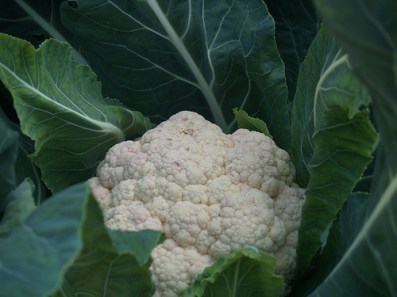
I was just sitting at work eating soup leftovers from the weekend and it occurred to me that I have never posted the recipe for this favourite soup of mine. I can’t remember where the concept for it came from, but I’ve tweaked and renamed it as my own:
Triple-C Soup Ingredients
2 cups dried chickpeas
1 head cauliflower
1 garlic bulb
4-5 cups chicken or veggie stock
2 tablespoons curry powder
salt/pepper to taste
- Soak the chickpeas (overnight or quick soak). Drain the water, rinse and refill Cook them until they are soft enough to eat, but not mushy.
- Cut the cauliflower into bite-sized pieces, put in the pot with chickpeas and add the garlic and stock. You want things to be just covered with liquid, so add water if you need to. Add salt at this point if your stock isn’t salted.
- Cook until cauliflower is soft. Puree soup with handblender until it is mostly smooth or whatever your preference is. Add curry powder and blend in.
Voila! A nourishing, simple soup. This really does rely on the quality of stock to be truly excellent – so don’t skimp and go with bouillon cubes.
(vegan option, clean-eating, vegetarian)
Why photograph the garden?
 Right after a whole post on not giving advice…… here I am in the very next breath doing just that. But it’s garden advice, not personal – aimed at no one except those who wish to improve upon their gardening practice.
I don’t know about you, but I have tried to keep garden journals over the past several years. You know, where you record the weather, what’s good in the garden, what pests or problems you encountered – all with the aim of being able to compare year-to-year and improve your gardening knowledge in the meantime. I think this is an admirable practice, for sure, but I have never been able to stick with the garden journal for more than a few weeks before I forget about it in the dazzle of greater sun and warmth.
So much for my fantasy of impeccable garden records – after three years of gardening in this spot, I have all of five garden-journal entries to show for them. BUT! What I do have by the dozen are photographs.
I started photographing my garden as a kind of artistic activity – working on my macro-photography skills and capturing particularly artistic aspects of plant life. From moving into our house, I have also blogged extensively about our yard landscaping and work – and photographs are an essential to showing you all what I am trying to describe. Between these two practices, I have discovered what the real advantage of taking endless garden photos is – it has made me a better gardener. How so?
- It helps me remember where things are. Perennials that die back, spring and summer bulbs may be destroyed when you go digging the beds – but a quick look at photos helps to refresh your memory of what was there last year. Also, as I plant an increasing number of bulbs, it helps me to look back at what colour schemes I have going on in different months.
- The act of taking a photograph requires a “closer look” at everything – giving me opportunities to find pests and diseases that may not be immediately observable otherwise. Photographs can magnify an area, aiding the naked eye in doing plant inspections.
- My photo records help to manage expectations in the spring and to compare different weather years by the plant development I have recorded. One of the great things about digital is that dates are automatically encoded in the photographs. So much better than my shoeboxes full of photos without info recorded on the back!
- Going out in the garden with a camera regularly (every two weeks or so) allows me to focus on the different stages of plant development, and has given me new insight into how the human and plant lifecycles are similar and connected. I recognize that I could just spend time reflecting without the camera, but it really helps me hone in on what is unique or important about various stages.
My best photos, I upload to Flickr, adding notes and tags to aid my memory. The rest of them get sifted and sorted into appropriate folders on my laptop just in case I want to reference them later. I don’t find I go back to those much, the general outlines on Flickr being enough to remind me what each plant was doing and when. I think this year I will aim for a lot more photographs, in particular of the frontyard as we move ahead on the second phase of landscaping and plant new and exciting things….. this photographing being something better than a journal for helping me imagine and organize my outdoor spaces!
Unasked for advice….
I have a sinus headache pretty much every morning these days – a sinusitis that has last for almost a year now. I’m irritated by it, but a single extra-strength Advil is all it takes to keep it at bay. Unfortunately, this headache makes writing in the mornings difficult – especially if the Advil takes some time to kick in. As I write today, I am struggling with a particularly acute headache, and hoping the painkiller takes effect sooner rather than later. I suspect I’ve gotten worse this week because of allergens in the air – something which never affected me before the sinusitis – but everything is more sensitive in my airways now.
Having had a year with a chronic condition that is obvious to people (I sniffle a lot), I have come to realize how much unasked for medical advice people give you. And not only that, I have learned not to give unasked for medical advice to anyone else. Why? Because people, it’s irritating.
Now, I don’t mean that having health discussions with fellow-suffers is a bad thing. “Oh yeah, I’ve suffered from this same thing and this/that remedy worked for me” – this can be a very useful kindof discussion in figuring out treatments. But random conjectures – perhaps it’s this, that and the other thing (a cyst? maybe you need antibiotics? etc.) – aren’t very helpful, and in fact they presume one doesn’t know their own health path, which is somewhat patronizing.
The cancer alt-health prostyletizers are perhaps the most insistent. A few years ago, I witnessed a friend from afar who was dying of agressive prostate cancer. Not only was he dealing with his own potential death, his wife and family – but towards the end he felt the need to post an impassioned plea online requesting that people stop with the recommendations for treatment which came at him from every possible angle. As he pointed out, his decision to pursue a path of allopathic and alternative treatments simultaenously was his choice to make and were informed by intensive/invasive medical consultations as well as his own body-knowledge. To be second-guessed by well-meaning people was something that took energy away rather than assisting him in his process. (And the fact that he died does not mean he did the *wrong* thing, nor should he or anyone be judged in their choices around illness and dying. We need to face that sometimes people don’t survive horrible illnesses and there’s nothing which can/could save them.)
I’ve been thinking about him recently because of my own tests for thyroid cancer (final results coming on Tuesday – I think it’s going to be all clear) – and some of what’s been said to me in this intervening period of tests. While I *have* taken advice and comfort from friends who have had thyroid biopsies, surgeries and hormone replacements – I have *not* found the unsolicited comments (from those who have little knowledge of the condition) about what I should do/not do helpful. On the other hand, I *have* really appreciated unsolicited sympathetic comments because it lets me know that people in my life care.
These days I am working on theory that “unasked for advice is almost always taken as criticism,” particularly as I tend to be an advice-giver (and as a union rep I am frequently asked for my opinion). When it comes to the health maladies of my friends, I might look up what they’ve got so I can better understand the symptoms and issues they are facing, but I’m more interested in practical assistance and working the angle of health-empathy which removes the judgement but keeps up a compassionate dialogue.
This holds true for more than health. Most 40-something women don’t need to hear that “there’s still time” to get pregnant – and once someone has decided to purchase real estate, chicken-littling about the coming collapse in Vancouver’s RE market isn’t likely to go over very well. Of course it’s all very well-meaning….. but it also presumes the advice-receiver hasn’t really thought things out which is why unasked for advice is rarely well-taken.


 Red Cedar